

I can still remember the days when it paid to always have a good dictionary nearby. Those days when reading meant some form of print on paper where we learned about art, history, science, literature, and more.
And I was reminded of those days because on more than one occasion I had to look up the meaning of a word when reading about, ideally learning about, the Wilson Benesch A.C.T. 3Zero loudspeakers that have been living with me in the Barn since early October. I’m not at all embarrassed to share that among those words whose meaning escaped me on the initial read included “monocoque,” “Isotactic,” and “laminar flow.” Sure, I could do a rough guess and continue reading but I wanted to really know, to really understand. So I searched.

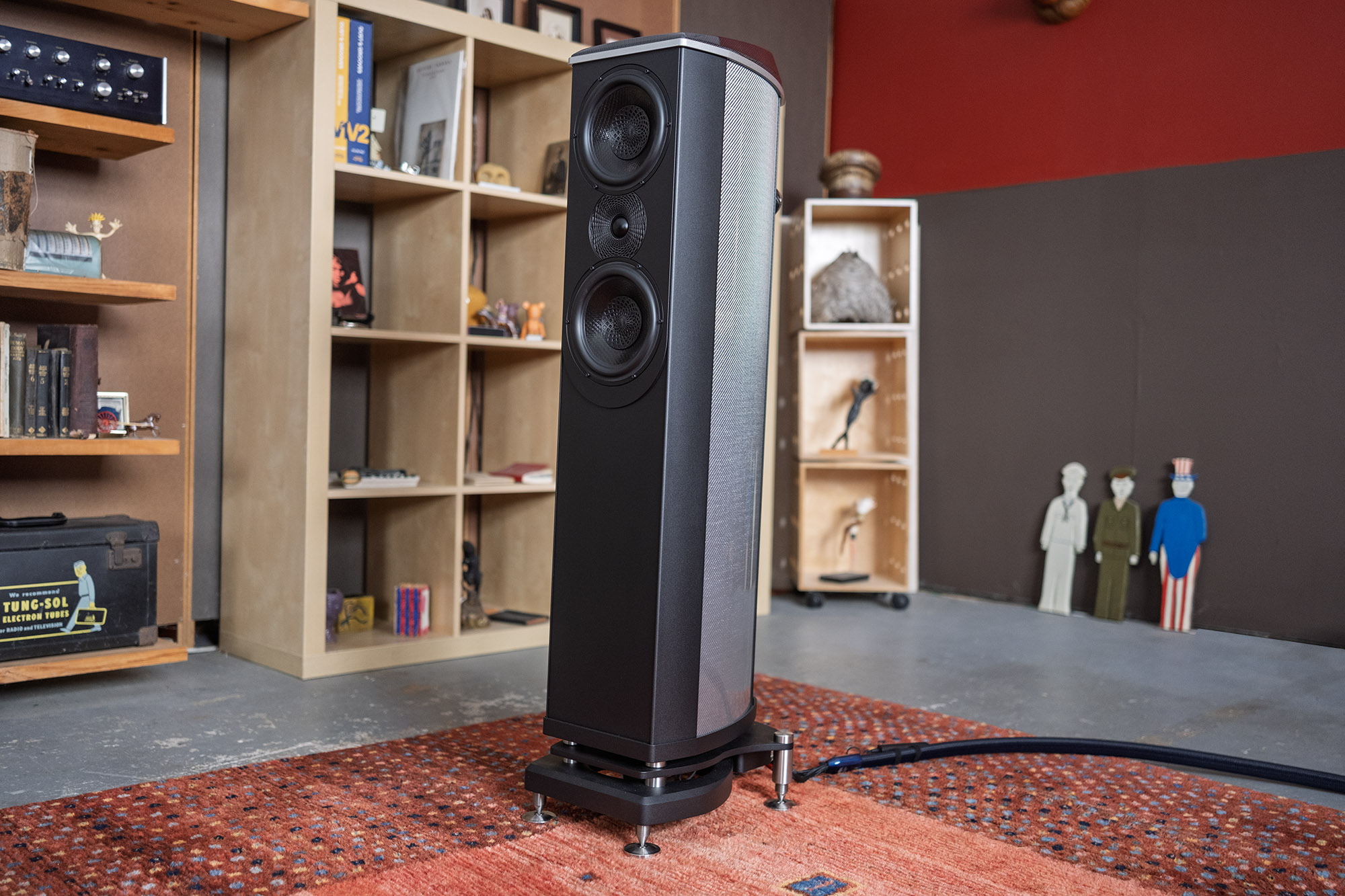
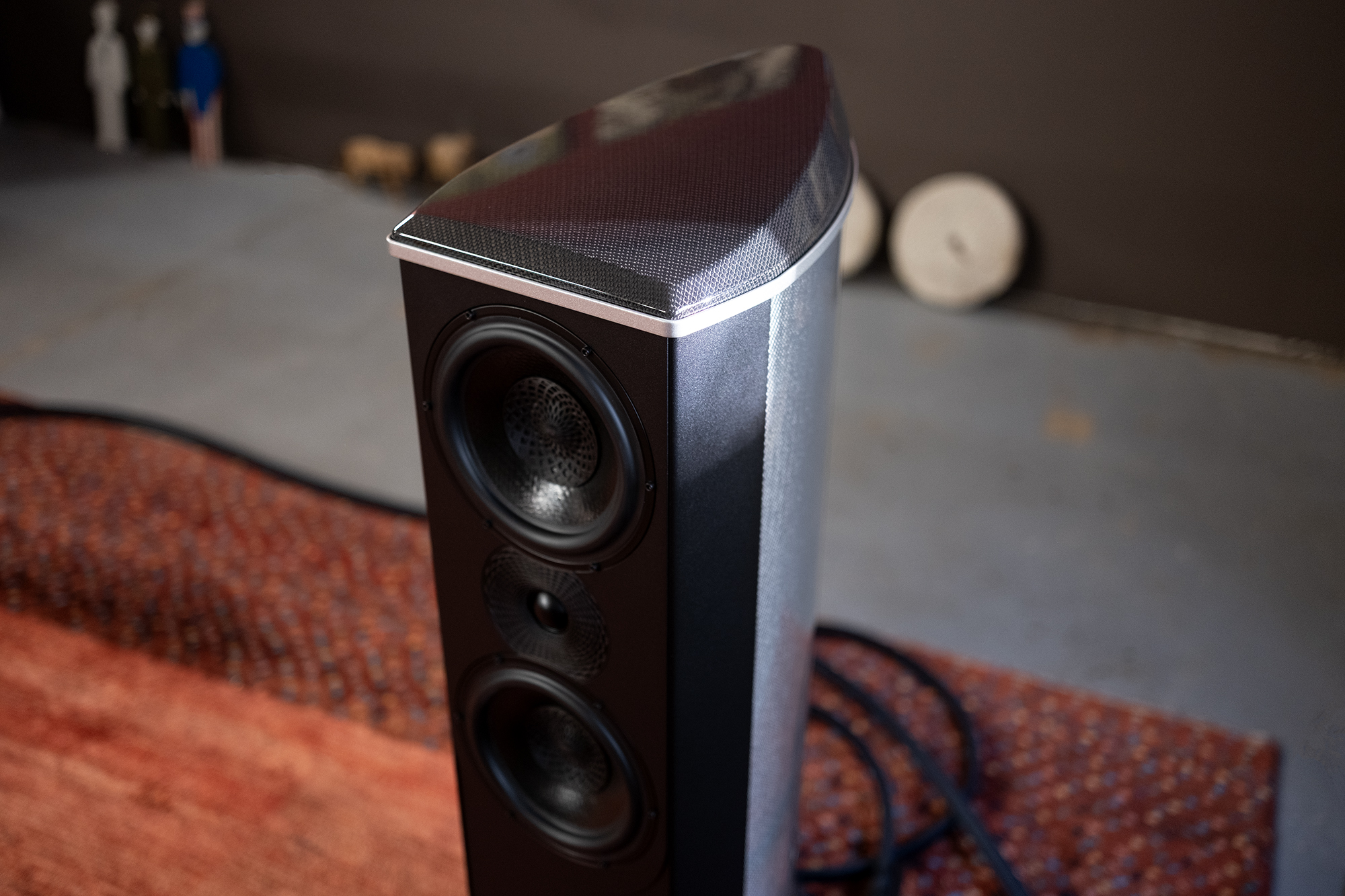
It takes more than a glance at the A.C.T. 3Zero to see everything in their outward appearance that makes them special, that makes them rather unique, and I screwed on my trusty macro lens so you could see what I mean. That’s the 1” Wilson Benesch Fibonacci Hybrid Silk-Carbon Tweeter with its carbon fibre and nylon composite faceplate made in-house using “additive manufacturing”, i.e. 3D printing, to form the Fibonacci Element, a form taken from nature first expressed by Indian poet and mathematician Acharya Pingala in the 3rd or 2nd century BCE and again by Italian mathematician Leonardo Bonacci, known as Fibonacci, in 1202 where it gets its name. Beyond its eye dazzling bending the fabric of time thing, the lattice structure of the Fibonacci form provides an ideal combination of light weight and stiffness that helps provide “flat frequency response and ultrawide dispersion.”

A similar fine-grained level of detail is found in the 7” Wilson Benesch Tactic 3.0 midrange and low bass drivers which sit over and under the tweeter and their carbon fibre and nylon composite Fibonacci-inspired dust caps that “provide significant improvements in both the accuracy of the frequency response and the reduction of distortion” according to the company. What you can’t see are a pair of 7” Tactic 3.0 drivers in what the company calls a Clamshell Formation, or more commonly an Isobaric Drive System—picture two identical drivers facing each other cone-to-cone as if one is looking at its reflection in a mirror—that reside inside each speaker’s bottom ported ‘foot’. This arrangement allows for deep bass in a smaller package, lower distortion, better power handling, and tighter bass performance as compared to a traditional bass driver. At least in theory.

Here’s a bit of history from Wilson Benesch:
A.C.T. – ‘Advanced Composite Technology’ refers to the composite technologies upon which the Wilson Benesch brand was founded and has subsequently become synonymous. The A.C.T. acronym was used in 1991 for the company’s first loudspeaker, the A.C.T. One, which set several benchmarks, including being the world’s first carbon fibre composite loudspeaker ever produced.
A.C.T. technology has been used through four successive designs, arriving today at the A.C.T. 3Zero the sixth generation A.C.T. loudspeaker. The A.C.T. 3zero, therefore, follows a long line of speakers, embodying the heritage of the Wilson Benesch brand and the classic A.C.T. design.
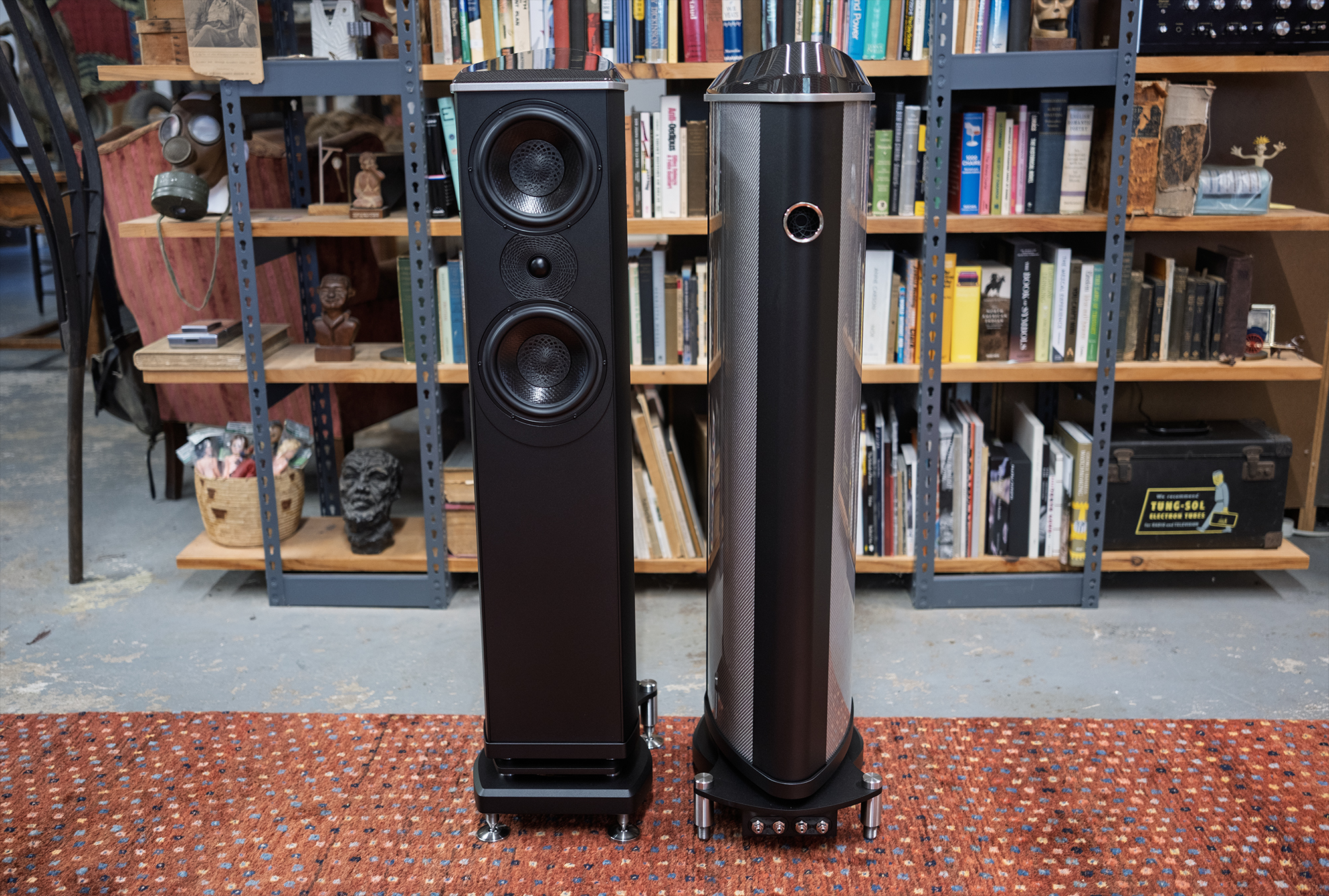
The cabinet proper of the A.C.T. 3Zero is made from a biocomposite Monocoque—you may known that monocoque refers to a type of construction where the outer skin carries all or a major part of the stresses like an eggshell—aided by internal bracing including steel ties that run from the speaker’s foot all the way up to the tippy top. Toe to head as it were. The drive unit diaphragms are made from an Isotactic Polypropylene and we have to dig into the atomic level to find that this refers to a regular, symmetrical structure in the polymer chain that offers “greater tensile strength, and better rigidity compared to other types of polymers.”
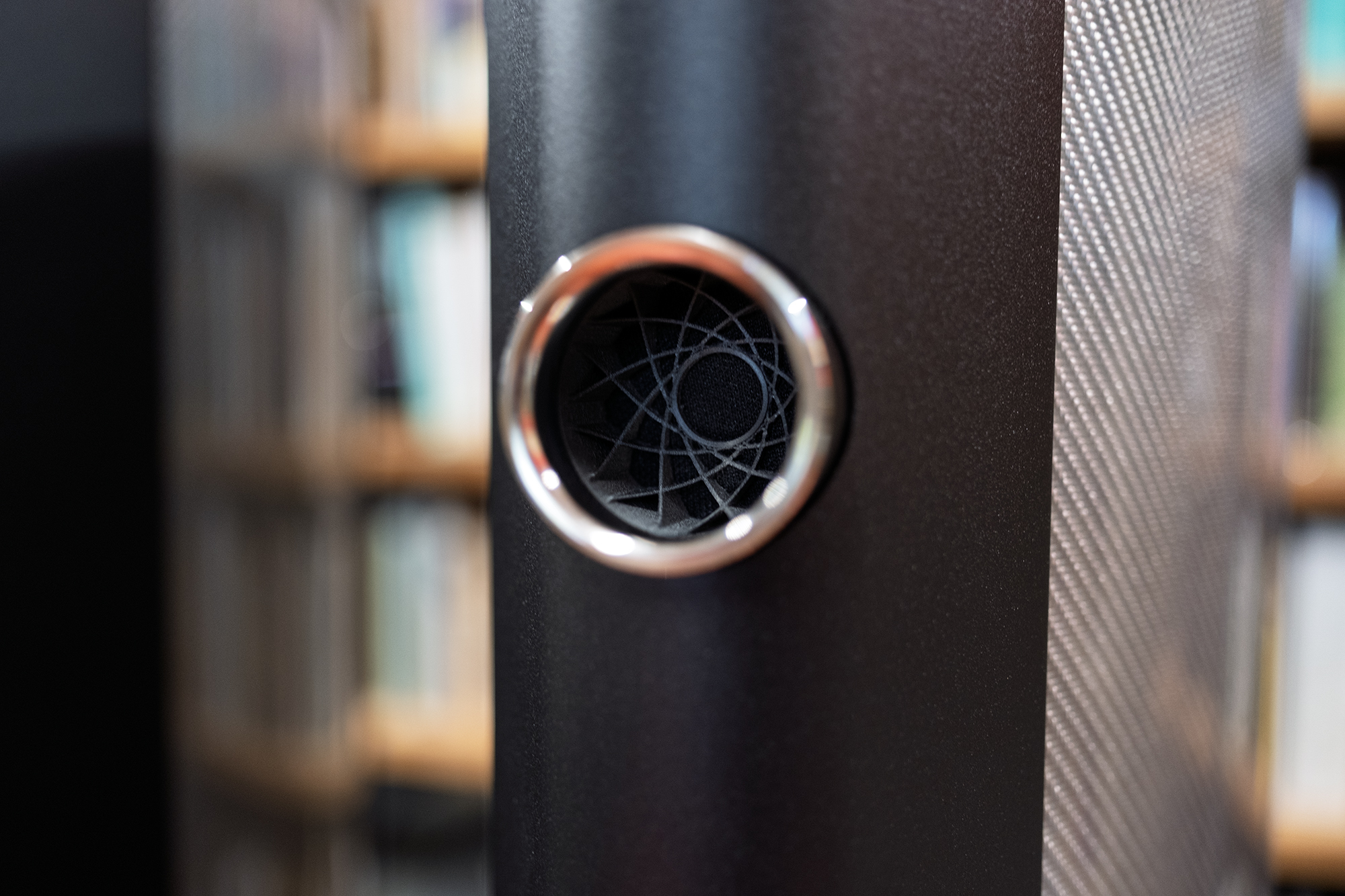
Finishing out our lookup words, the rear ports of the A.C.T. 3Zero include a 3D printed Laminar Flow Guide, that lovely looking star-shaped insert, which acts as a kind of filter that “slows air that is pushed out of the port at the rear of the enclosure by the Tactic 3.0 Midrange Drive Unit” and “reduces the energy of this escaping air, thereby reducing the potential boundary interaction that occurs when the loudspeaker is placed near to the rear wall…” Laminar refers to the Flow Guide’s design that provides a controlled, smooth, and even flow. Not turbulent.
The modeling for these minute and intricate geometrical forms including the Laminar Flow Guide and Fibonacci-inspired elements in the drivers takes place in 3D software where they can be optimized in every dimension and on every level from material to form to function.
From Wilson Benesch:
Produced in house using additive manufacturing technology, the Fibonacci Element can be printed according to pre-designed parameters. Such is the precision of the additive manufacturing software, that the Wilson Benesch design team can see in cross-section and design three-dimensionally the optimal layup of carbon fibre and nylon, defining both stiffness and weight across the structure. The result is a new geometrical form that is comprised of a double curvature with both open and closed aspects in the form of a lattice structure again borrowed from natural geometry. 5 different materials and adhesives provide significant improvements in both the accuracy of the frequency response and the reduction of distortion. This is a critical aspect of the relationship between the drive unit and its ability to integrate with the roll off of the tweeter and bass drive units. In the past, several materials have been drawn upon to enable the fine-tuning of this marriage. Additive Manufacturing has opened up a new chapter in the pursuit of this subtle but extremely important aspect of loudspeaker design. For the first time, the principal aspects of this structure can all be adjusted in a way that was previously impossible.
I include these longish quotes because they help us understand the importance of aspects of design and their relationship to performance that might otherwise escape the casual glance. It’s also worth knowing that Wilson Benesch makes a complete line of speakers as well as the GMT One System, a true marvel in turntable design that ”has been designed and developed by a large number of people and organisations that are collectively referred to as the GMT Consortium. The GMT® One System is comprised of thirty novel developments. It incorporates technology with international patents that are pending and a number of design registrations.” All to say, Wilson Benesch designs and manufactures very complex things that make music in-house.
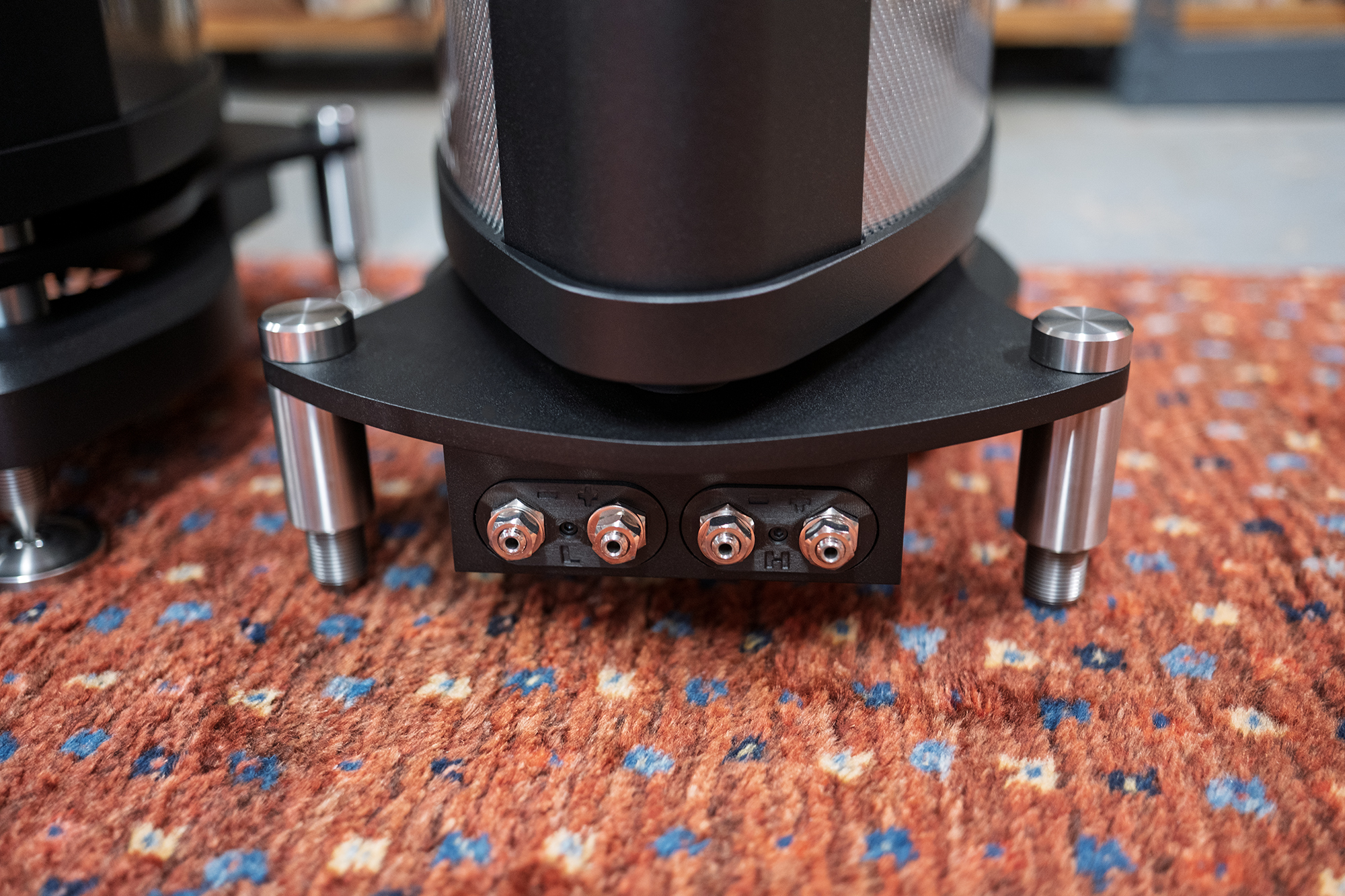
When some people look at pictures of a loudspeaker, they think, “I can make that in my garage!” Most times that’s simply not the case but when it comes to the Wilson Benesch A.C.T. 3Zero, no one in their right mind, even the most ardent DIY dreamer, would ever imagine they could build one. Let alone two that match. I am reminded in some ways of the measures YG Acoustics take in their approach to design and implementation that involves 3D modeling only possible with supercomputer processing power as it is also impossible for any hobbyist to mimic. Of course none of this high tech would matter one whit if the end result didn’t honor music.
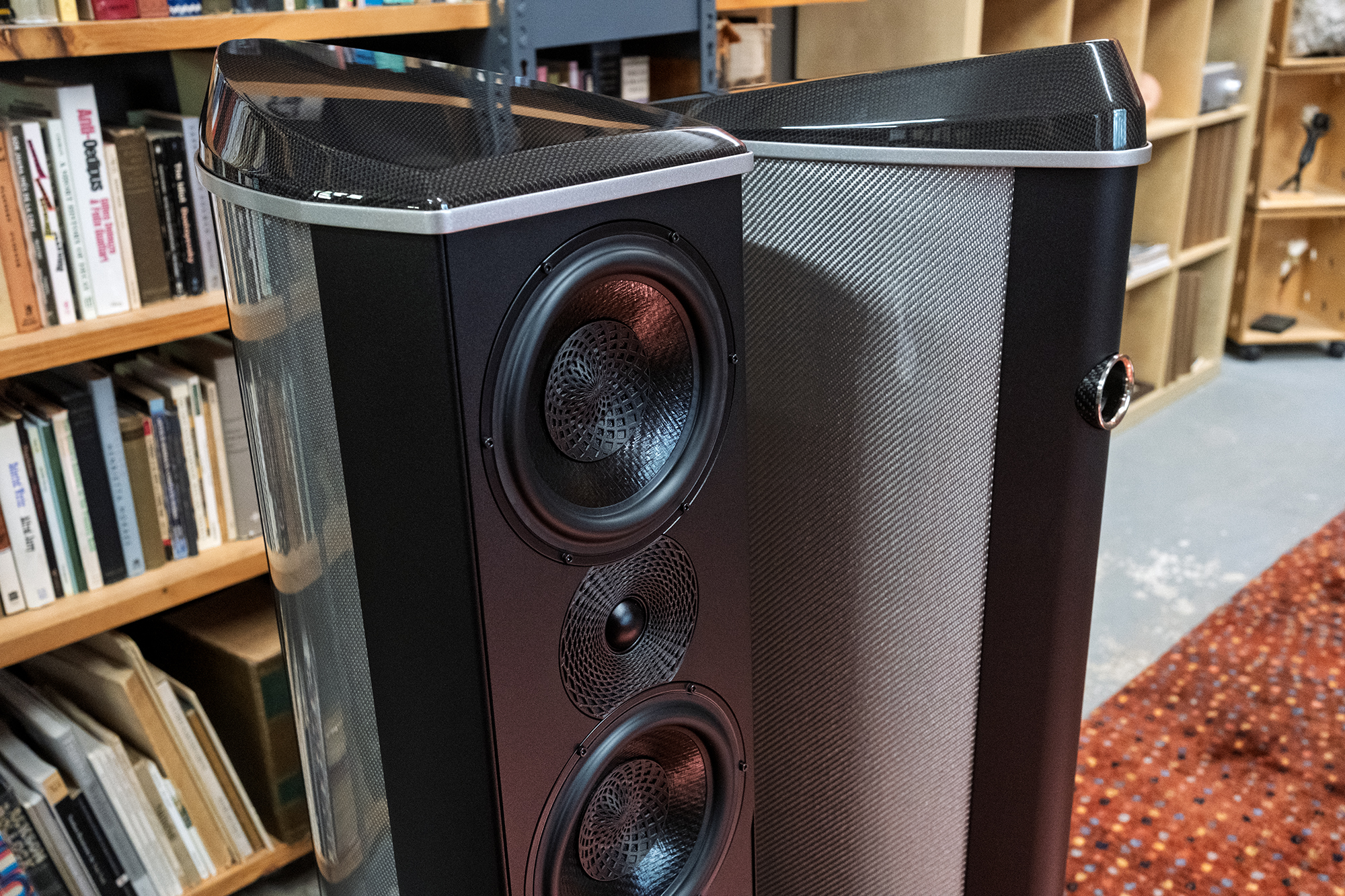
The review A.C.T 3Zero arrived in the upgraded Premium Carbon Finish (+$3200/pair) that adds to the speaker’s high tech appearance. I find the A.C.T. 3Zero to be very easy on the eyes in part due to their lack of hard edges, another aspect of design that also relates to performance. The A.C.T. 3Zero stand roughly 44” high and weigh 106 lbs. a piece and offer a claimed frequency response of 34Hz – 30kHz with a 6 Ohm nominal and 4 Ohm minimal impedance and 89dB sensitivity (@ 1-Meter on axis, 2.83V Input).
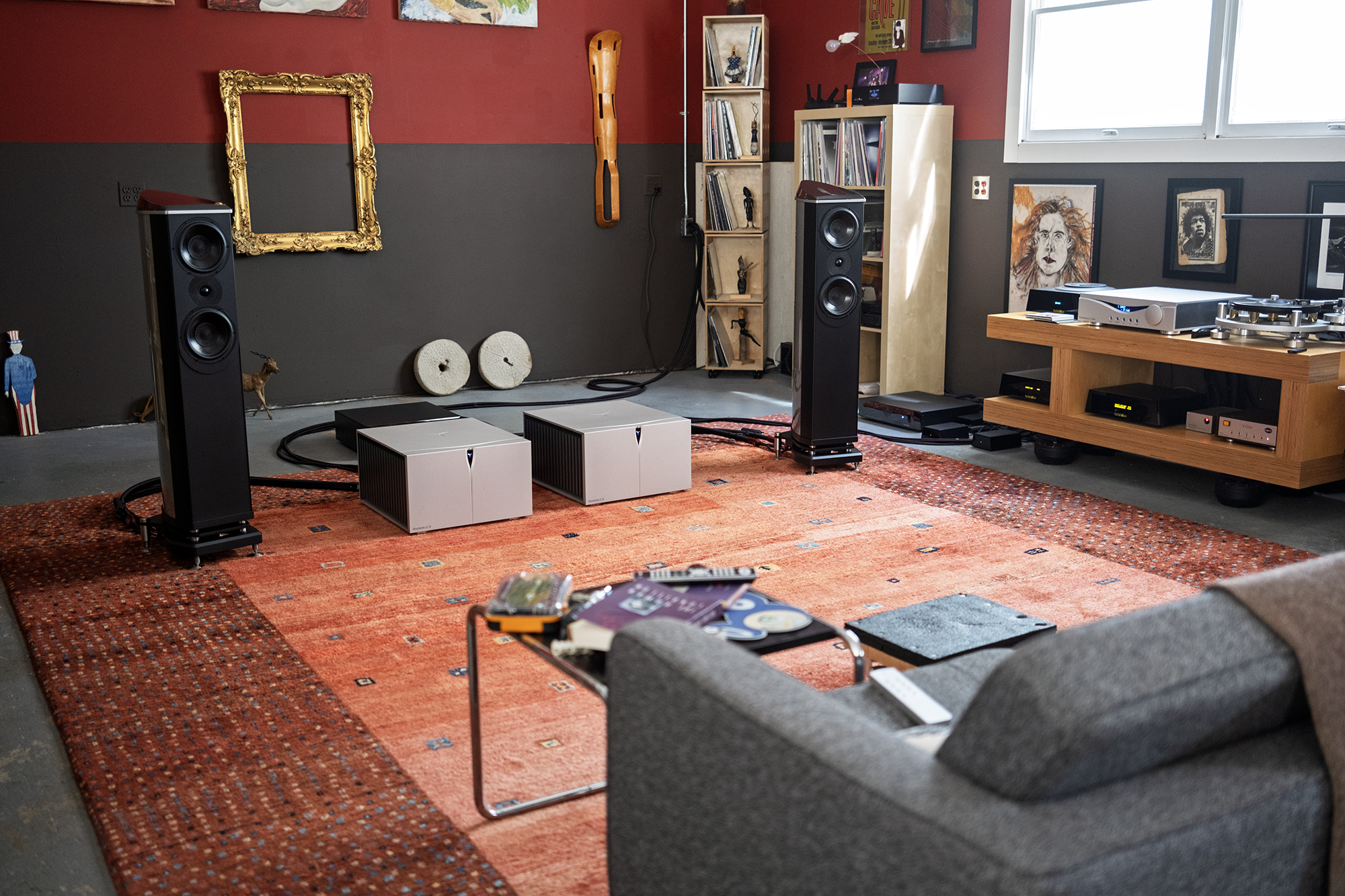
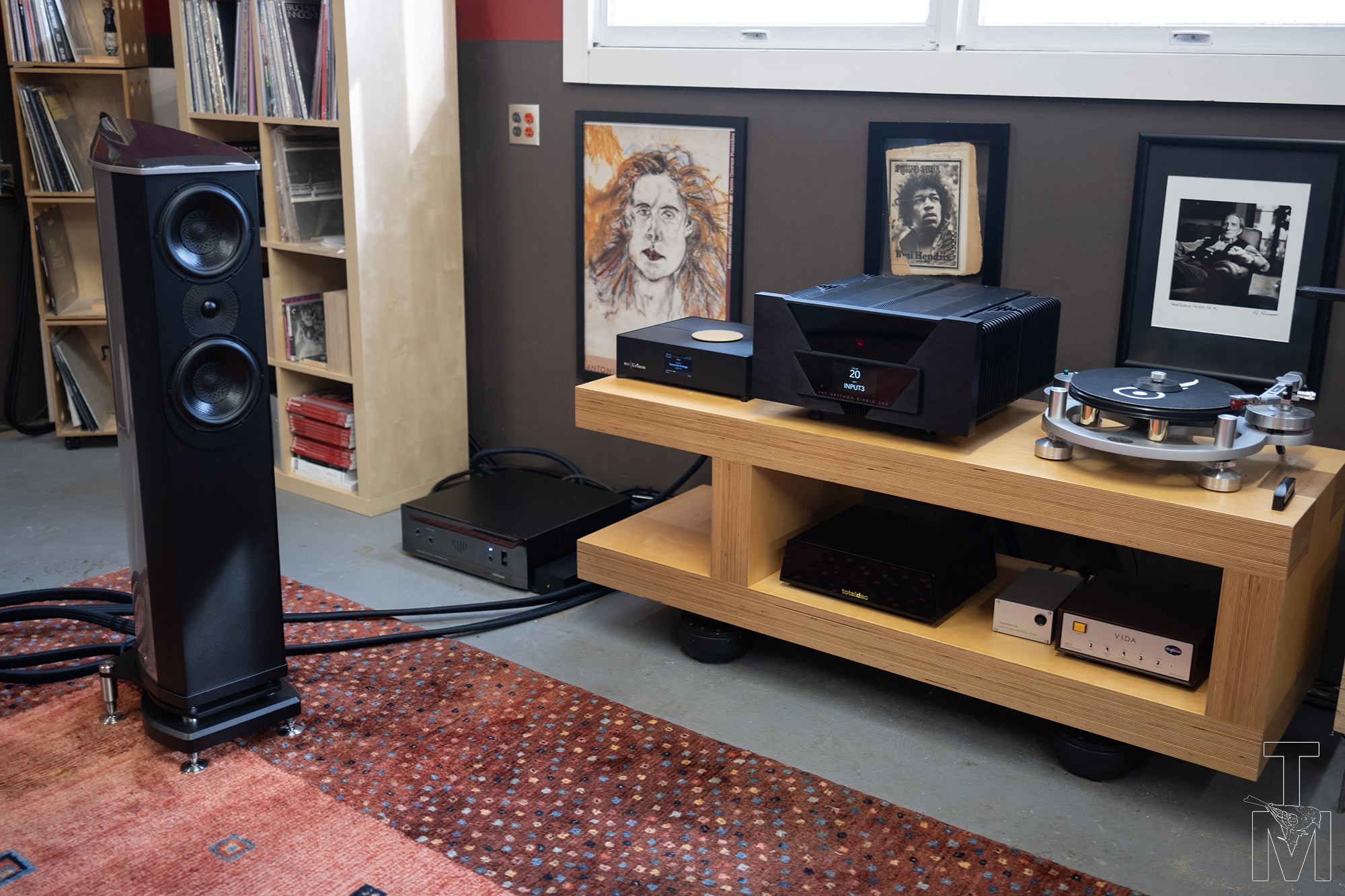
The Wilson Benesch got to play with a number of amps on the Barn’s A-Side including the recently reviewed Audia Flight Strumento Series stack (review), the Orpheus Lab Absolute Integrated Amplifier A Four I200 (more info), and the Gryphon Diablo 333 Integrated Amplifier (more info)—a fine group of amps indeed. Digital duties were handled by the Barn resident Grimm MU1 (review)/totaldac d-1unity (review) combo with cabling from AudioQuest including ThunderBird Zero speaker cables and Firebird interconnects (see full Barn and system details).
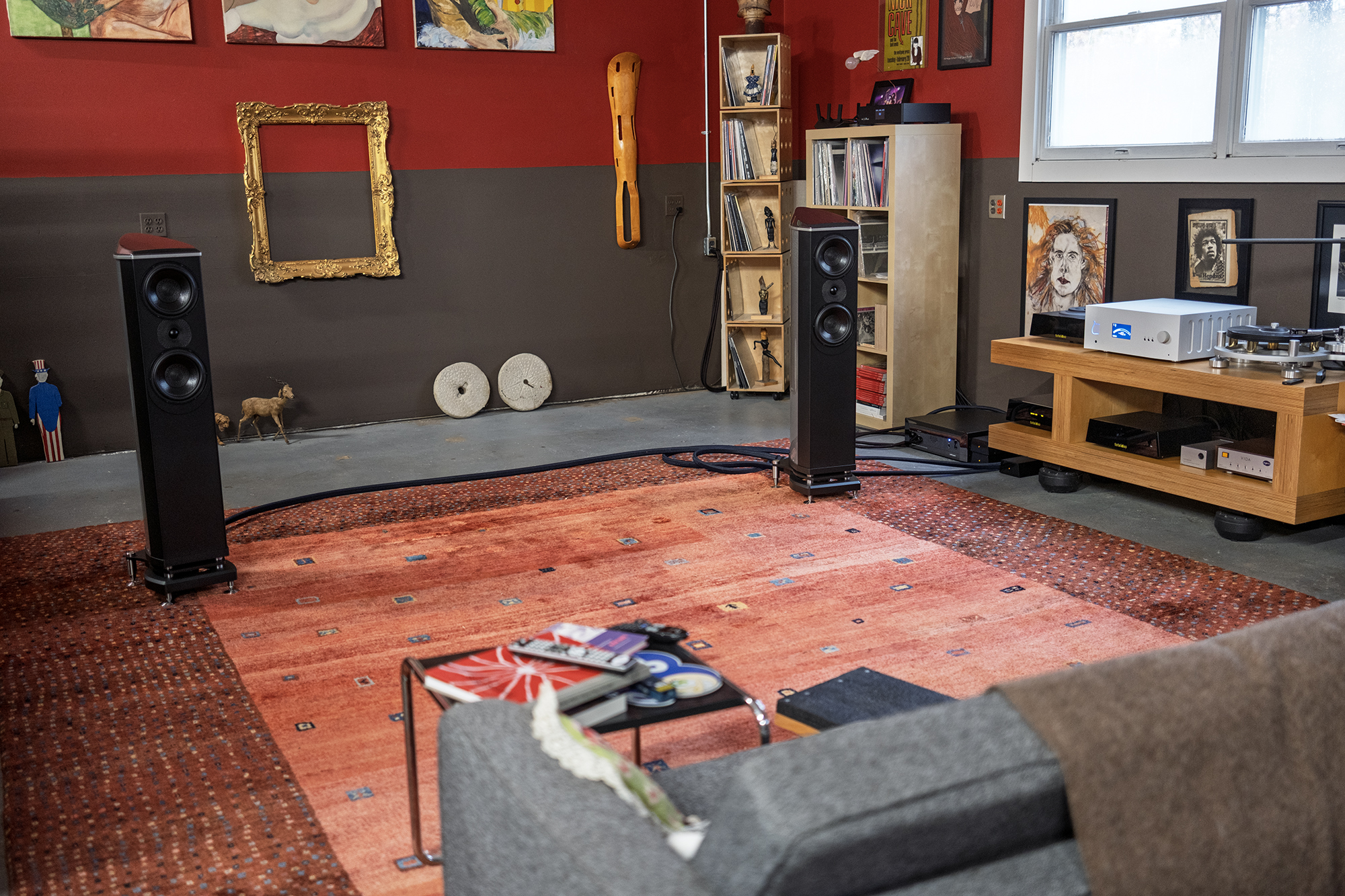
One of the first things you hear when listening to the A.C.T 3Zero is a lack of coloration, which is kinda funny to be impressed by something that’s not there. Nonetheless, there’s a focused clarity throughout the frequency range music occupies that’s nearly startling in its absolute sense of pristine sound very much like someone snuck into your room and applied treatment to make everything sound better. Less blurry, more focused. Or if you prefer like the difference between drinking cool clear bottled water as opposed to the stuff that flowed from a Flint, Michigan tap in 2019.
To touch on another kind of unhealthy contamination, there are some audiophiles who bristle at technology and prefer their ingredients to be plain spoken—paper, horns, wood—so when they encounter words that may need a lookup, words that describe the technology behind something like a loudspeaker, they automatically assume the sound that stuff makes will be unnatural and obviously so like those early hominids in Kubrick’s 2001 “Dawn of Man” encounter with a monolith (btw – I like paper, horns, and wood, too).
But myths like this persist because some people don’t really like to listen to the unfamiliar—they look, maybe read, and judge—or they listen only for what they’re used to hearing from their own hifi and declare any deviation from their norm to be a mistake. The A.C.T. 3Zero stand like that “Dawn of Man” monolith in defiance of this kind of attitude because they play music with a voice that’s formed by nothing more and nothing less than the sounds of music played through them and whatever imprint the rest of the system has to offer (and of course the room they’re in will have an impact as well). In other words, the A.C.T. 3Zero sound as natural as the music you choose to play through ‘em.
Isobaric bass as implemented here has a distinct sound, or perhaps more to the point it sounds different from most other speakers that reproduce bass frequencies into the 30Hz region and the standout qualities I hear are a kind of elastic bounce, speed, and dimensionality that took some listening to get used to, after which I mostly marveled at its full voice and clarity that seemed to dismiss the room more than most speakers I’ve had the great pleasure to live with in Barn. The greater than usual sense of dimension in the lower frequencies, a lack of flatness that some speakers push out into the room, was a very nice surprise, nearly as if the A.C.T. 3Zero sculpted 3D bass in air.
Mancunian-Parisian four-piece Mandy, Indiana have been hard at work on their next album URGH which is due to arrive in February 2026 on Sacred Bones (which is a hint regarding a certain level of badassness). Luckily for us, they’ve released the first single from URGH, “Magazine,” and as you might expect it’s a real Barn burner and the A.C.T. 3Zero handle this kind of sonic onslaught with a perfectly controlled and perfectly precise rendition in space that felt about as well defined as any speaker to have graced the Barn’s airwaves. There’s zero bloat or sense of additive sonic information in the mix, no sense of the cabinet singing along to add body, just pure Mandy, Indiana.
The A.C.T. 3Zero also projected a positively huge Many, Indiana sound image into the Barn as this track explodes in every dimension as if each musical element occupied its own specific space separate and apart from the speakers to a nearly uncanny degree. I’m reminded of reading pop up books as a kid and the real joy and surprise in seeing objects literally pop out from the page. Nice.
I have a thing for old denuded wind-up music boxes. Just the mechanisms and the lovely ringing pings of sounds they produce from tiny metal fingers running over tiny bumps on a rotating cylinder. Acoustic, delicate, and endlessly delightful. Kelly Moran’s EP Origin from 2019 has a similar feel as the sounds from her prepared piano also offer a kind of mechanicalness, albeit made by real fingers playing a life-sized piano.
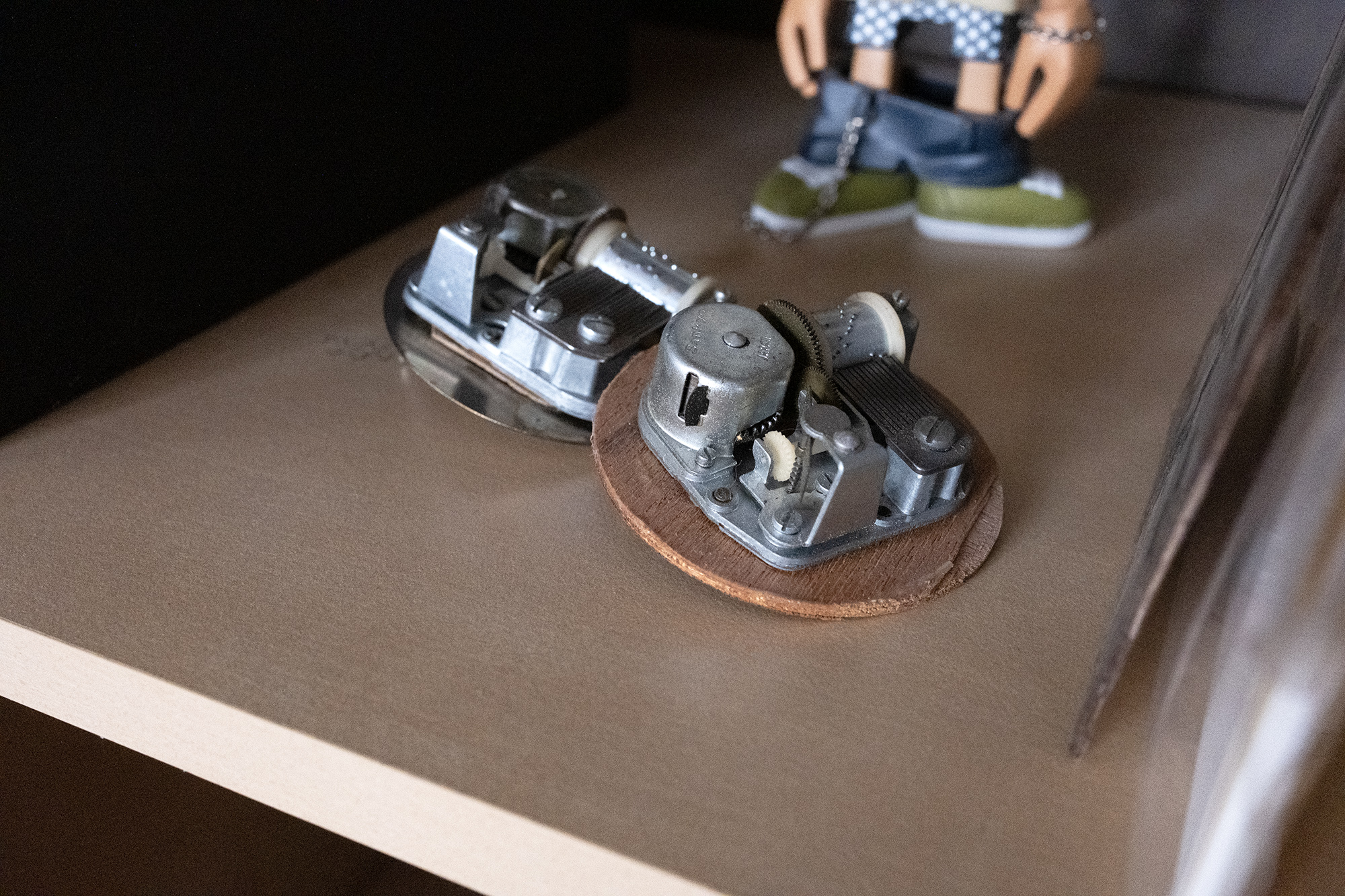
Acoustic, delicate, and endlessly delightful, Origin formed the basis of Moran’s more complex album Ultraviolet which began life as improvisations recorded live where most found their way onto Origin unedited. In the raw. I hear more than hints of Debussy and Moran’s classical training and interest in more experimental music and of course the work of John Cage. In any event, this music is starling in sound offering a ringing pinging beauty and the A.C.T. 3Zero transformed the Barn into a giant music box or perhaps shrunk everything down to music box size. Take your pick. Each sound, whether from piano or the prepared parts, rang out with a wonderful physical presence, merging with other sounds in time in air until fading into silence rich with the memory of resounding notes. Here, the A.C.T. 3Zero’s effortless dynamics and speed made this music pop with lifelike energy as startling as notes produced from tiny metal fingers running over tiny bumps on a rotating cylinder just inches from your ear. Of course scale, reproducing the tiniest and largest sounds in proper proportion which the Wilson Benesch expertly unravel, add to the drama and sense that we’re listening to a performance not a reproduction. Bravo!
In some ways, Aldous Harding’s music feels as if it was made by an automaton made by some mad inventor living in a hilltop castle with lightning playing some part in her creation. And the eerie thing, the kinda disturbing part is this image is only reinforced when you see her live.

Party from 2017 is a classic in every way a record can be—surprising, wildly inventive, curious, and sonically stunning with all manner of otherworldly sounds and characters lurking about and that’s just Harding’s vocals. Guitar, piano, Rhodes electric piano, saxophone, bass clarinet, and a choir join Harding and producer John Parish (who you more than likely know from his work with PJ Harvey) offer up this box of music magic that clearly was made with great care and love of sound. Party really allowed the A.C.T. 3Zero to show off its timbral stuff, offering a richness in sound that felt like the real thing without embellishment or loss, nothing added or taken away. Every twitch, turn, and inflection of Harding’s uncanny cast of vocal characters were produced with tactile presence. Coupled with the A.C.T. 3Zero ’s 3 dimensional presentation and spatial magic making, Aldous & Co were reproduced in the air of the Barn to a degree that allowed for intimate connection without distraction.
In terms of sensible comparisons, I don’t have one in the A.C.T. 3Zero’s price range that I’m ready to talk about here. The recently arrived Gauder Akustik Elargo 200 at $49,975/pair are a perfect pair to compare to the A.C.T. 3Zero which I’ll do in the Gauder review. Sometimes my timing is a little off ;-).
I will, however, reach out once again to the Rockport Atria II I reviewed back in October of 2023 (review) because they have—more than most speakers to have come through the Barn—left a lasting impression and they remain on my short list of recommended speakers where the A.C.T. 3Zero now also reside. Still priced at $38,000/pair, the Rockports offer among the most musically compelling and physical presentations I’ve had the pleasure of experiencing and I can only imagine what a larger and more price-comparable pair of Rockports would add to that impression. For people shopping in the Wilson Benesch ballpark price and performance wise, I would also recommend checking out the Rockport Atria II or the larger Avior II which puts the Wilson Benesch in very fine company indeed.
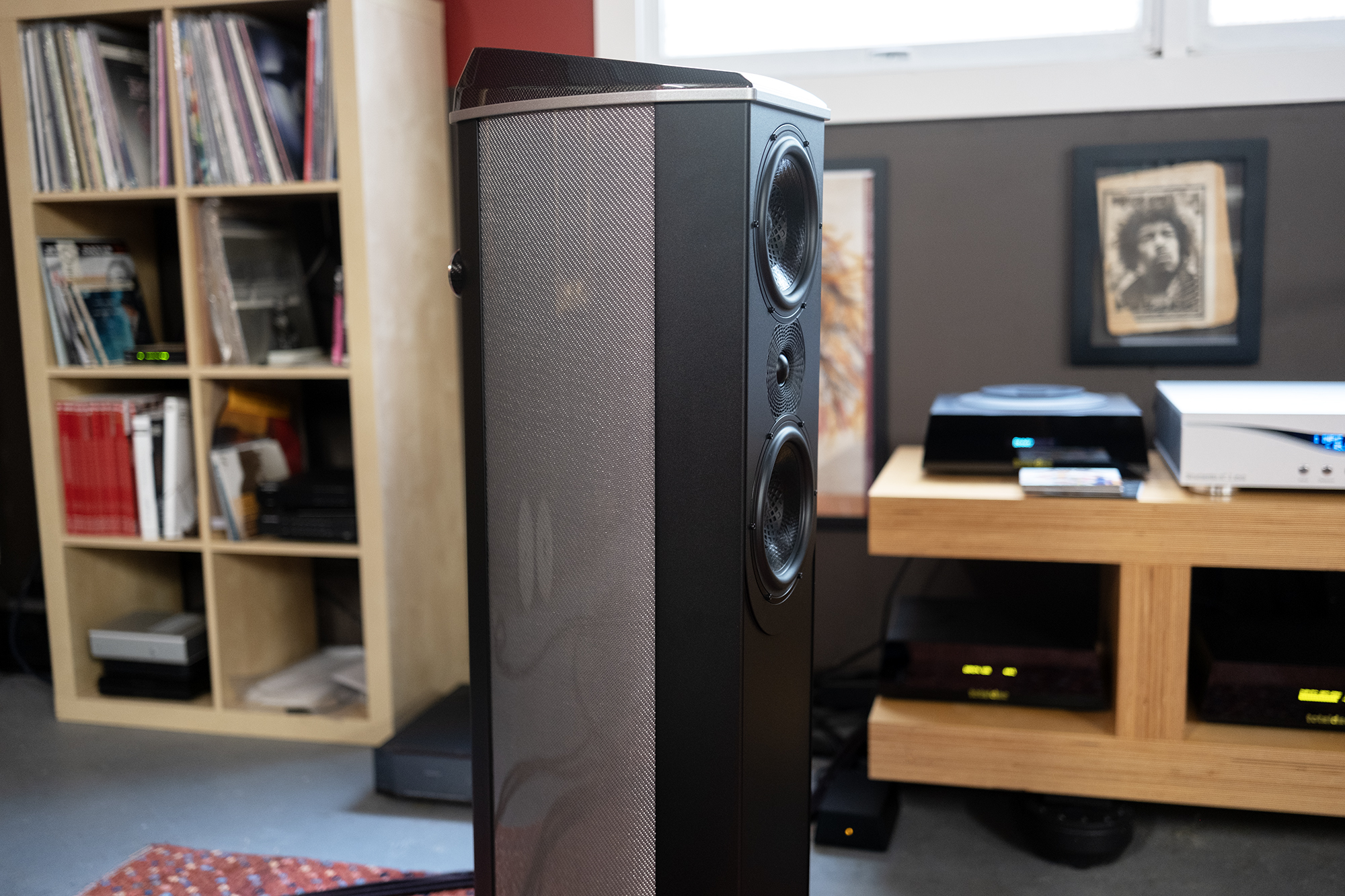
I will also mention that all three of the amplifiers used during the review period worked their own wonders on the A.C.T. 3Zero offering subtle but important differences in presentation. Of course the big, bold, yet delicate Audia Flight Strumento separates offered perfect control as you might expect from 500/1000/2000 Watts of output power into 8/4/2 Ohms. Woof! The Orpheus Lab Absolute Integrated lent a sense of richness and grace, while the Gryphon Diablo 333 offered great grip from bottom to top and a weightiness that benefited music played at lower volumes, something I tend to do often. In any event, there’s not a stinker in this bunch and I get the sense from listening to this trio of amps on the Wilson Benesch that they appreciate being partnered with good sounding powerful amplification.
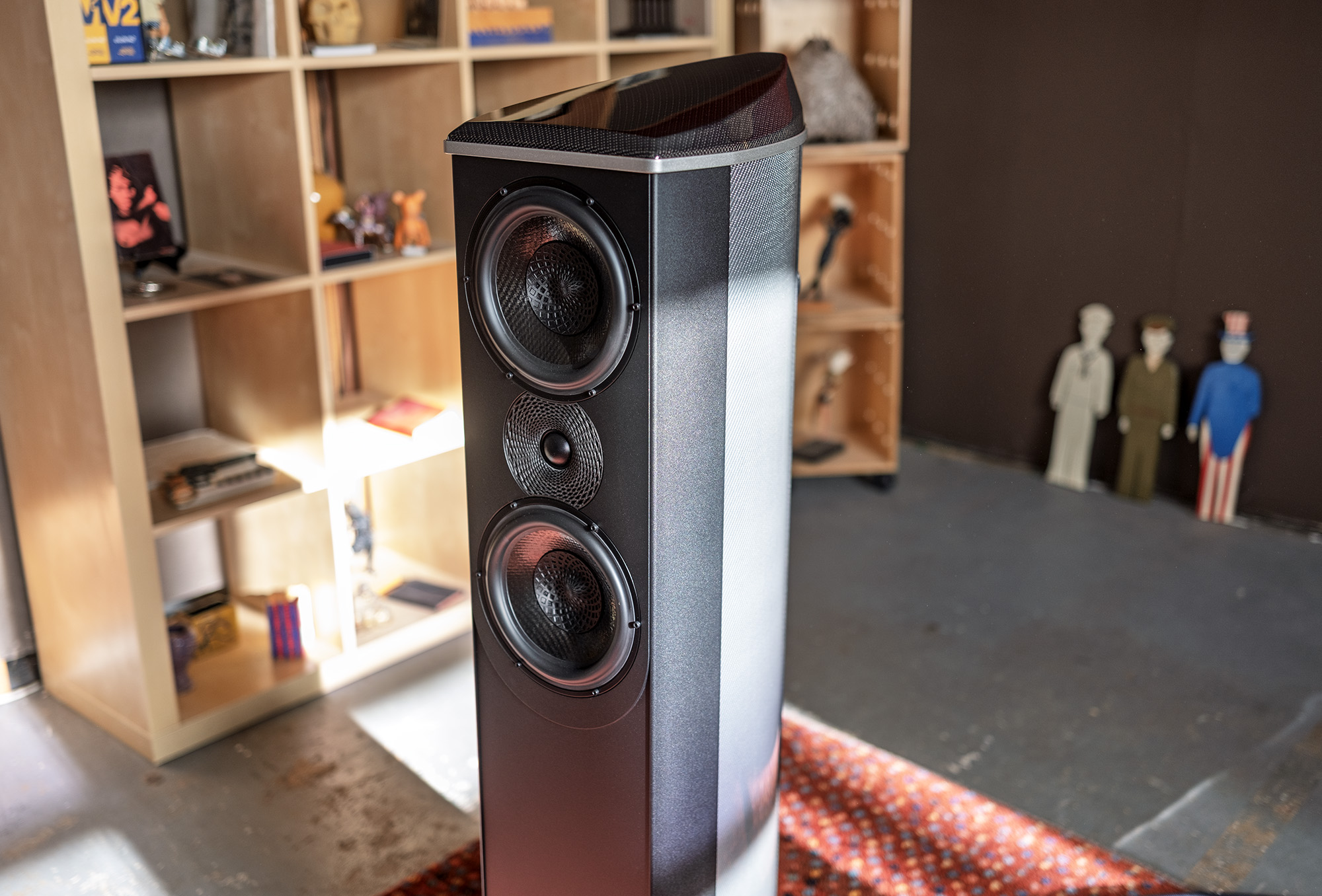
The Wilson Benesch A.C.T. 3Zero are among a handful of speakers I’ve experienced that make listening to music feel vital. As real an experience as ringing a bell or strumming a guitar, music is reproduced with stunning clarity, jump, scale, dimensionality and a full rich voice that together blur the line between passive listening and active experiencing. That the A.C.T. 3Zero accomplish this transformation using in-house designed and manufactured very high tech methods and materials only goes to show that in the right hands technology can be made to serve the heart and soul captured in our beloved and ever expanding treasure trove of recorded music.

Wilson Benesch A.C.T. 3Zero Loudspeakers
Price: starts at $54,999/pair | Premium Carbon Finish: +$3200/pair
Company Website: Wilson Benesch
US Importer Website: Fidelity Imports
Specifications
Drive Technology
Midrange: 170mm(7″) Wilson Benesch Tactic 3.0
Tweeter: 25mm (1”) Wilson Benesch Fibonacci Hybrid Silk-Carbon Tweeter
Low Bass: 170mm(7″) Wilson Benesch Tactic 3.0
Isobaric Drive System: 1 2x 170mm (7”) Wilson Benesch Tactic in Clamshell Formation
Crossover Technology
Midrange: Directly Amplifier Coupled
Tweeter: Second-Order, 5kHz High Pass Filter
Low Bass: First-Order
Isobaric Drive System: 1 First-Order 500Hz Low Pass Filter
Enclosure Technology
Materials:A.C.T. 3Zero – Advanced Biocomposite Monocoque Technology, Poly-Alloy, Hybridised Construction
Midrange: Reflex Port Tuned with Laminar Flow Guide
Tweete: Labyrinth Sealed Tweeter Backplate
Low Bass: Infinite Baffle Sealed Enclosure
Isobaric Enclosure: Infinite Baffle Sealed Enclosure
Measurements
Type: 2.5-way
Impedance: 6 Ohms Nominal / 4 Ohms Minimal
Sensitivity: 89 dB @ 1-Meter on axis, 2.83V Input
Frequency Response: 34Hz – 30kHz
Dimensions & Terminations
Height: 1132mm (44.5″)
Width: 194mm (7.6″) Baffle // 276mm (10.8″) Widest Point of Foot
Depth: 376mm (14.8″)
Weight: 48kg (106lbs)
Termination: Bi-wirable terminal located on the loudspeaker foot at ground level
Spike Threads: 4x M14 // 1.5 pitch (per channel)