
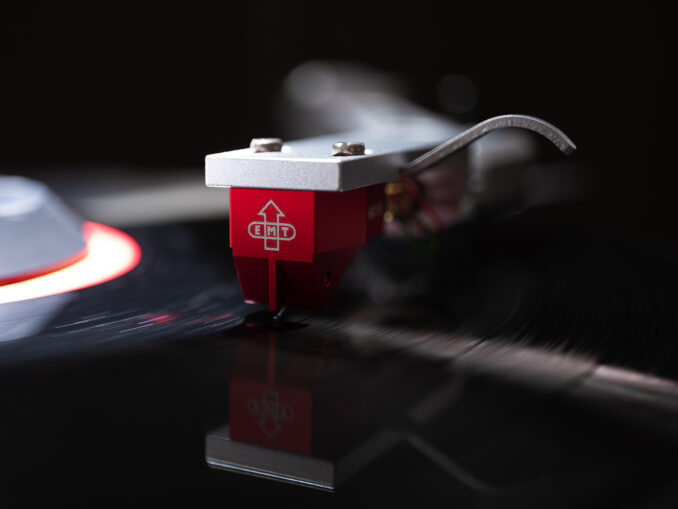
EMT, the company, is about as classic a hifi company as classic gets.
Elektromesstechnik was founded in Berlin in 1940 by Wilhelm Franz and the EMT 927 and 930 broadcast turntables are the stuff of legend as are the EMT 929 and 997 tonearms and the famous TSD 15 cartridge which was introduced in 1965 and remained in production, largely unchanged, for decades. If it ain’t broke…

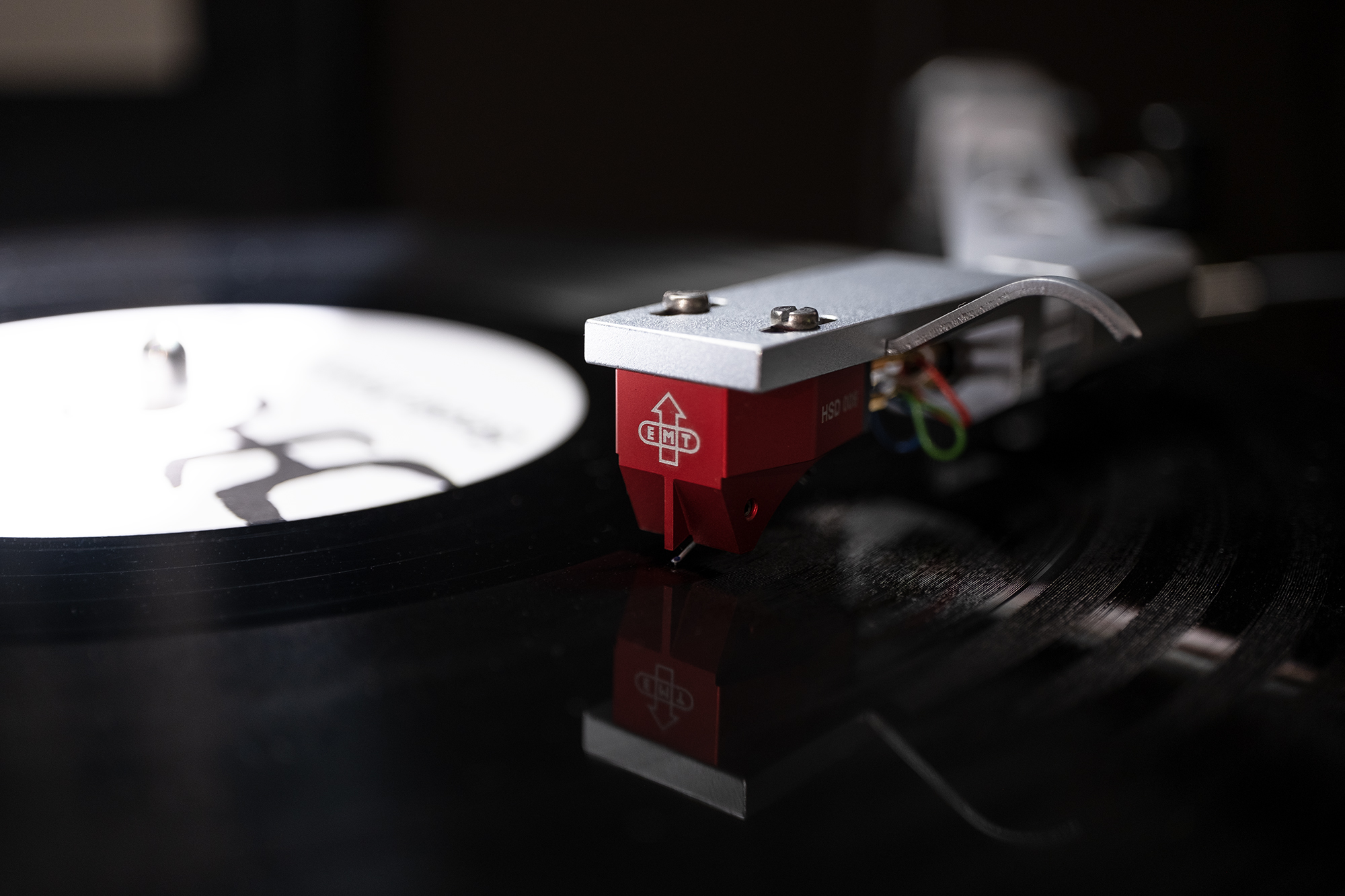
The EMT HSD 006 is a Moving Coil (MC) stereo cartridge, the HSD 025 is its matching mono partner albeit dressed in blue, and is based on the same traditional stereo moving-coil generator as found in the TSD 15. The HSD 006’s red anodized aluminum body houses an aluminum cantilever and Super Fine Line stylus tip you can see riding the blush hued grooves of Adrianne Lenker and Buck Meek’s a-sides.

Art Dudley reviewed the EMT HSD 006 for Stereophile back in 2018 and here’s something he said about it:
…use the HSD 006 with gear that will honor its natural flow and complete lack of mechanicalness, and it will sing.

The HSD 006 mainly took up residence in my analog front end, the Michell Gyro SE/Sorane SA1.2 tonearm combo, which certainly let the EMT sing as was apparent from the first few notes that jumped into the Barn from it.
Art Dudley also reviewed the Sorane SA1.2 (then called the Abis SA-1.2) for Stereophile about which he wrote:
“…the Abis SA-1.2 tonearm deserves my strongest recommendation. For LP enthusiasts who prize tone, touch, and timing above all else, I’d put the combination of Abis SA-1.2 and Denon DL-103 up against all but their priciest competitors; and for delivering the most of those performance characteristics for the least amount of money, it has few competitors.”
For most of the serious listening, the delicate signal pulled from the grooves by the EMT went through the supremely lovely and Barn resident Aurorasound VIDA MK.II phono stage. System settings changed with review gear but the HSD 006 got to spend real time in my ’reference’ system that also includes the Leben CS600x integrated amp and DeVore O/96 speakers with cabling from AudioQuest (see full system and Barn details). The EMT HSD 006 has been riding the grooves in Barn for about 10 months. I know, that’s a long time but I wanted to be sure.

Let’s begin with the obvious—the sound of my records when using the EMT HSD 006 changed when the associated analog rig changed. Obvious, I know, but the Sorane ‘arm brought with it more bass weight, better drive, and richer timbre as compared to the agile Michell T8 which is why I bought the former and also why the bulk of this review saw the EMT mounted to the Sorane. It’s worth noting that the Sorane costs more than double the price of the Michell.
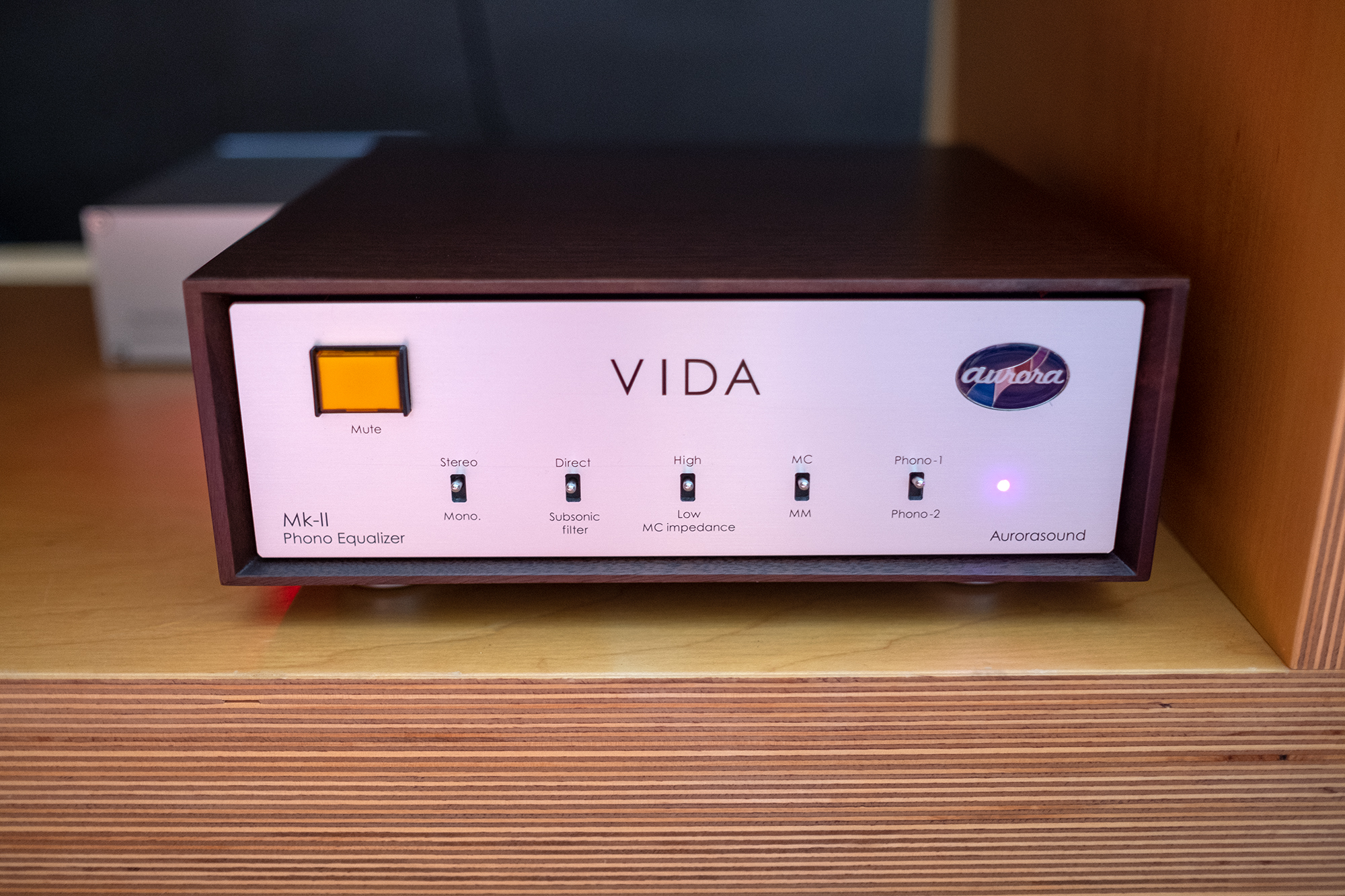
The Aurorasound VIDA MK.II phono stage, which is also a permanent Barn resident, excels at grace, detail, flow, and color and a kind of energetic clarity that I find addictive. I’ve heard richer, fatter sounding phono stages but they all sacrificed grace, detail, flow, color and energetic clarity, a tradeoff I’m not interested in making.
All to say the voice of the Michell Gyro SE, Sorane SA1.2, and Aurorasound VIDA MK.II played a very important role in shining their particular kind of light on the EMT HSD 006. Not to mention the rest of the gear, the Barn, and the music I chose to play.
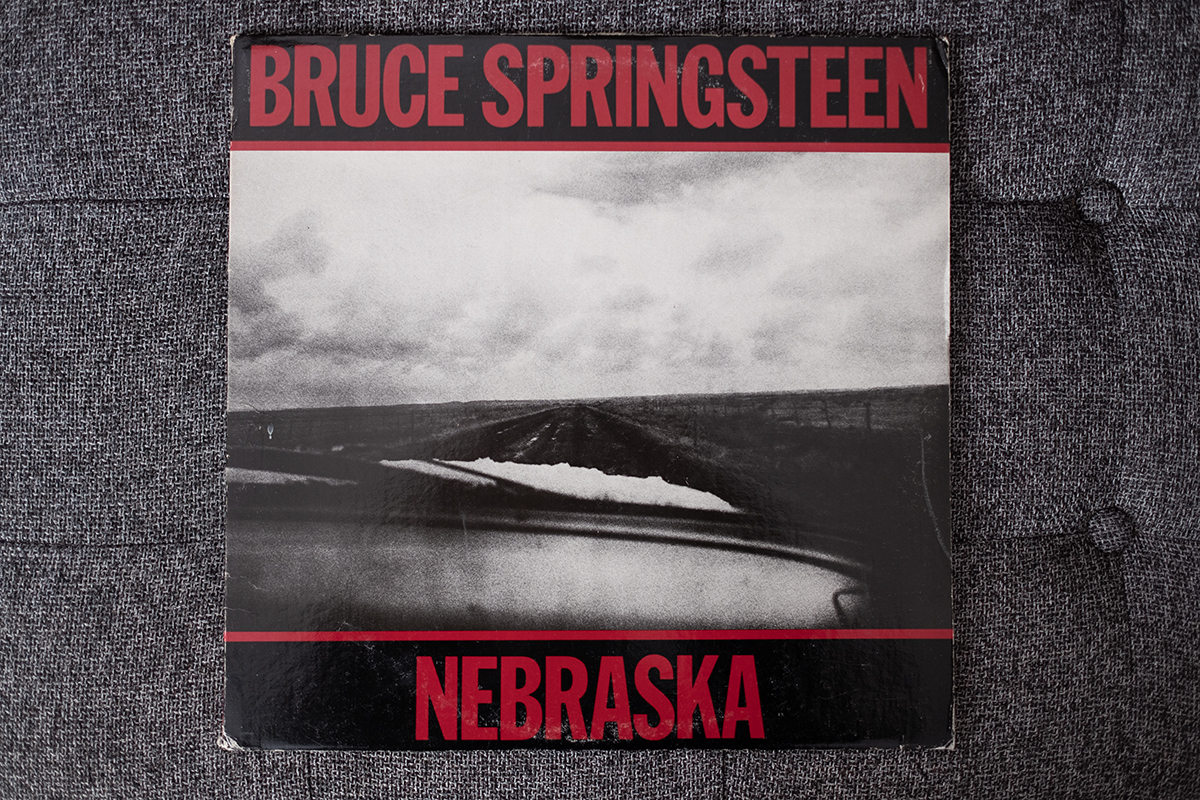
I recently picked up an old promo copy of Bruce Springsteen’s quiet intimate stunner Nebraska, a record I used to own and now own again (I sold nearly all of my records years ago). I assume most readers are familiar with Nebraska, Bruce’s personal favorite, released back in 1982, his sixth full length. I’ve had the great pleasure of seeing Springsteen perform more times than I can recall, including his stint on Broadway where he sang and spoke out into the small crowd at times unamplified. All to say I have a very good sense of the sound of his voice in real life as well as the other simple accompaniment on Nebraska that includes guitar, harmonica, mandolin, glockenspiel, tambourine, and Hammond organ all recorded to 4-track in a small bedroom. Intimate.
What I want most from a record is energy. Living energy that sparkles with life and this is one area where the EMT HSD 006 shines bright, illuminating the songs, stories, and moods of Nebraska as told by Springsteen with in room electricity. The EMT is an exciting cartridge in the best sense of the word, as it excites a level of energy in air that makes listening to records feel essential. Vital. Alive.
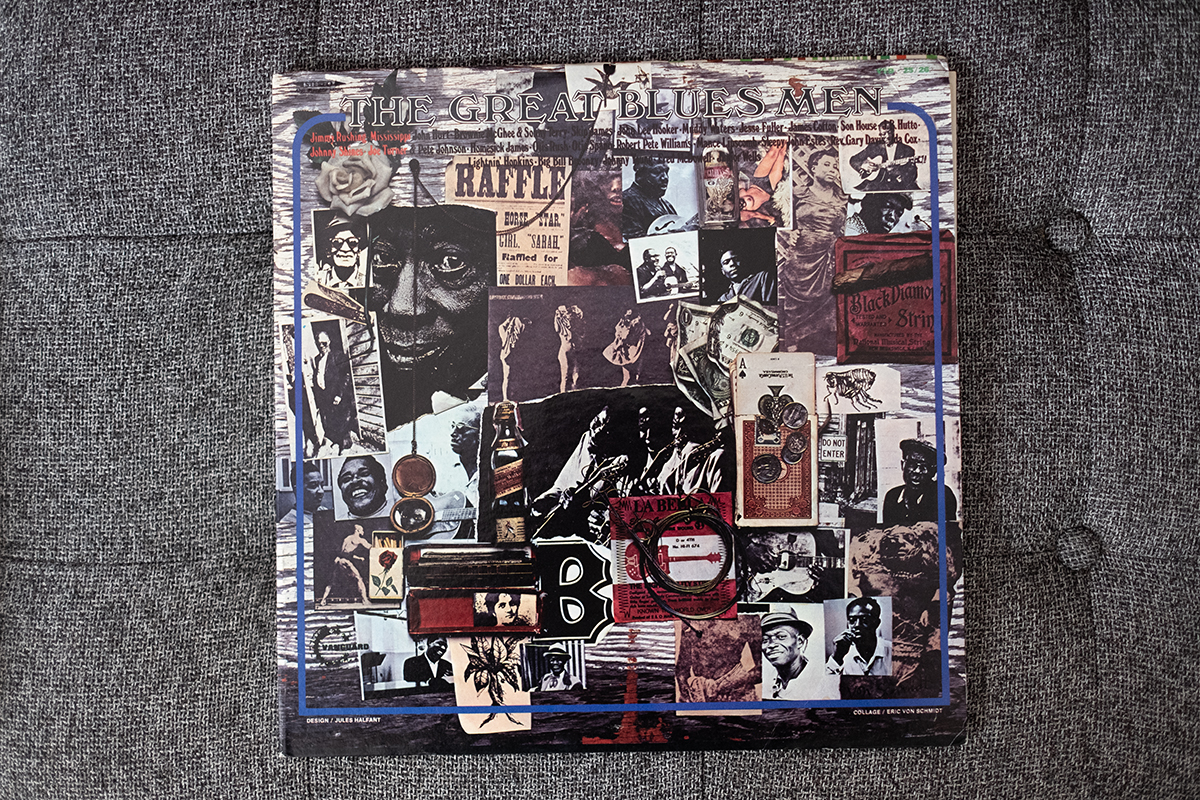
Regular readers know that my first musical love was Jimi Hendrix and there was a time, back in the 1970s, where I read everything the library and music magazines had to say about him. Research, back in the day, meant driving to places like libraries and stores, commitments in both time and money that made discovery that much sweeter. At least for me. In any event, one thing I learned about Hendrix was his love of the blues, traditional blues, so I went to a local record store and found this compilation, The Great Blues Men released by Vanguard in 1972 that served as my intro to this classic world music.
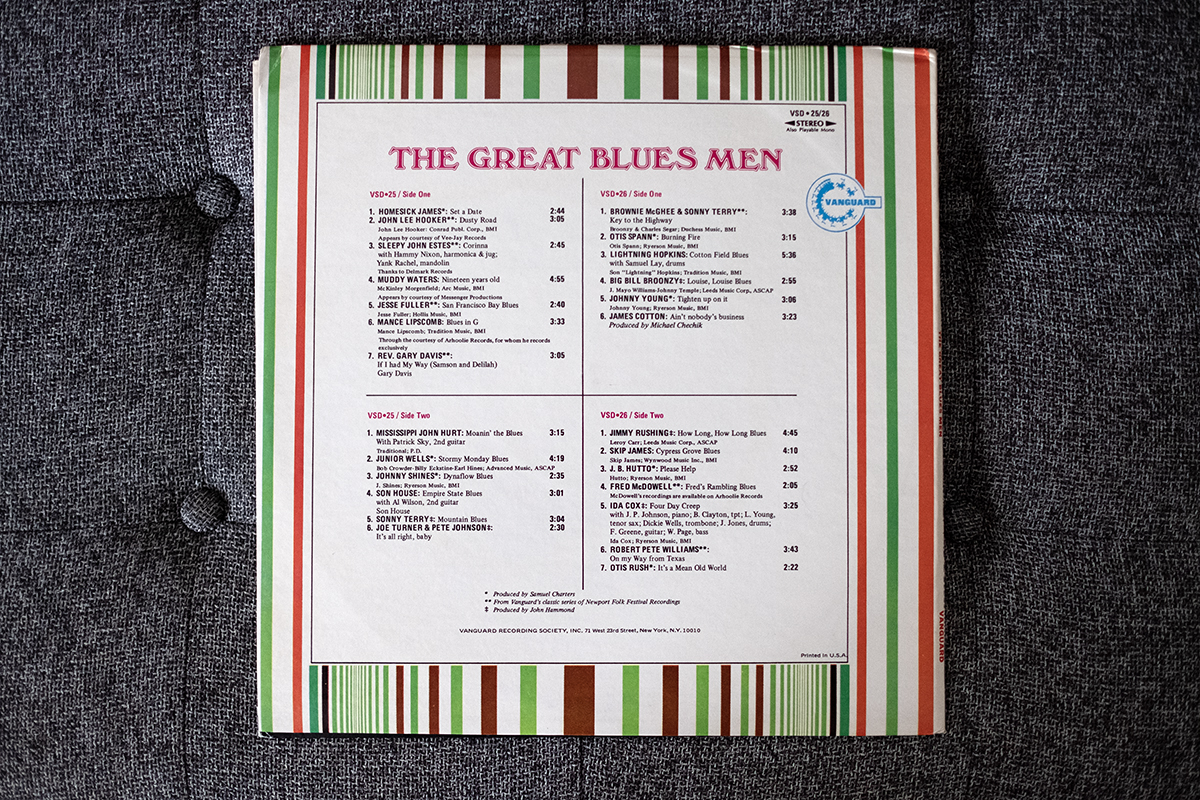
Something else regular reader’s know about me and my listening proclivities is I find that digital has a hard time making this kind of music sound right. It’s as if some of the humanness, and this music is all about humanness, has been stripped away. Even the best digital replay I’ve heard tends to scrub away some of its soul. With the HSD 006 reading these clean grooves, I found a sealed copy of The Great Blues Men for a song, Mississippi John Hurt, Fred McDowell, the Reverend Gary Davis, and Skip James leapt with life force into the Barn, as if lit up from within like some kind of wonderful childhood magic lantern throwing images around the room that become more real than real. All consuming.
I actually do not remember, and I didn’t write down [footnote 1], the first record I played with the EMT but what I do recall is how quickly I ran to play this record—The Great Blues Men that opened a door to further explore Mississippi John Hurt, Fred McDowell, the Reverend Gary Davis, and Skip James and more for years to come—because I could not wait to hear it lit up with so much life force, bringing me back to my first encounter some 50 years ago with this simple, soulful music.
In my Great Big Book of HiFi Reviewing Wonders, this trait—the ability to make listening to familiar music more than exciting—ranks among my highest compliments. Bravo.
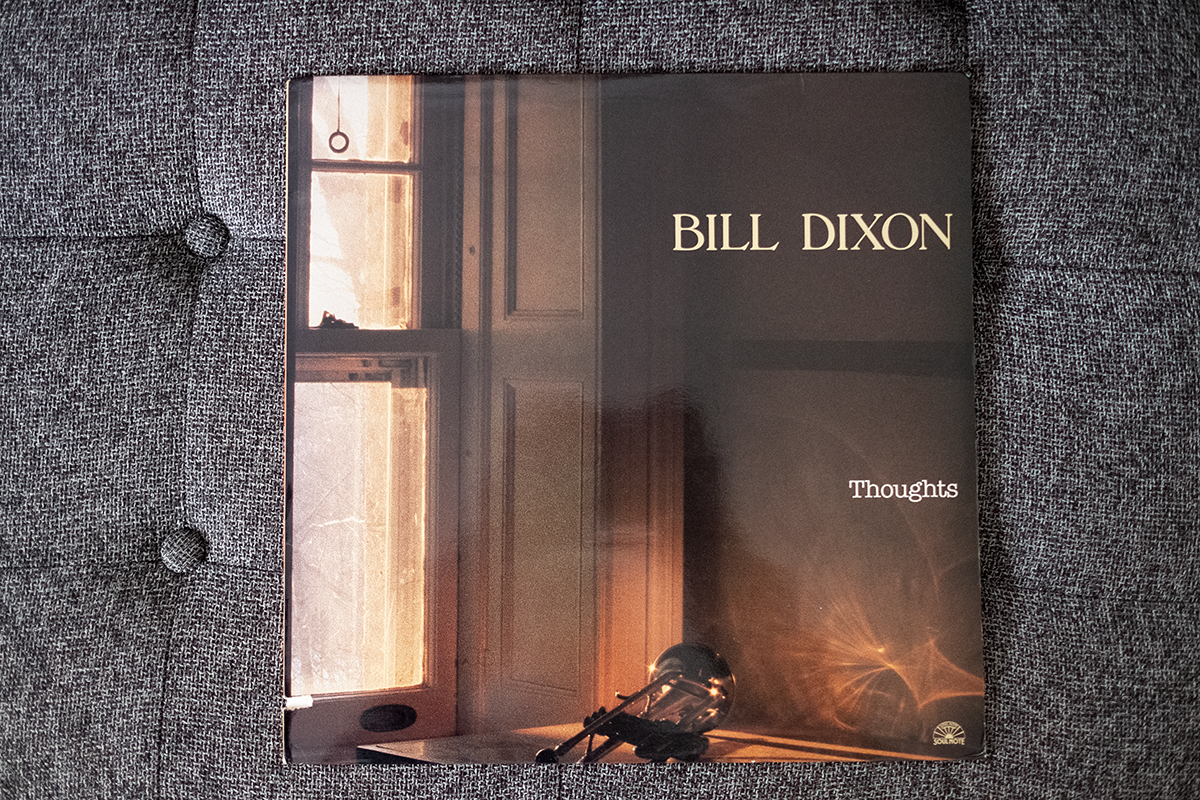
Bill Dixon ran the Black Music Division at Bennington College from 1974 to 1984, the latter years coincided with my time there as a fine art major. I had the great pleasure and good fortune to see Dixon perform on campus a number of times in a number of small settings but the most memorable was a performance by the group responsible for this record, Thoughts released on Soul Note in 1985, that included Dixon on trumpet, flugelhorn, and piano, John Buckingham on tuba, Marco Eneidi on alto saxophone, Peter Kowald, William Parker, and Mario Pavone on bass, and Lawrence Cook on drums. If memory serves, where was that pencil, William Parker was not part of the performance I saw at Bennington but be that as it may I can still feel the energy this group of musicians produced that grabbed hold of the small audience from the first few notes and kept a tight hold on every breath until the last. Time moved according to Dixon & Co. for what felt like a beautiful eternity.
Thoughts is a beautiful record, a kinder gentler Dixon record, and it holds a special place in my heart and mind. Dixon was a master at his instrument, coaxing an entire vocabulary of un-trumpet-like sounds from his trumpet as if he was able to bend that brass to his will. This is another record I know all too well and the EMT with the help from the rest of the system brought Thoughts to sparkling life in Barn, bringing me back to that hot 1980’s night at Bennington College where I slipped outside time.
That’s one of the wonders of collecting things like records and books as they act as bookmarks in time and place, little memory holders that remind us of the when, where, and who, the stories that surround the music that fills our lives. Algorithms are nice and all, but lived experience is even nicer.

Also back in my Bennington days, I had a cheap paint-covered portable cassette deck in my painting studio and a handful of cassettes to play—a Hank Williams collection, Black Flag’s Damaged, and Sonny Rollins Freedom Suite. I feel as if I can ‘sing’ Sonny Rollin’s lines from Freedom Suite in their entirety and can easily slip back into its melodic repetitious wonderland in no time flat. I’m pretty sure that any kind of repetition repeated enough becomes meditation and I stretched that cassette to its physical limits.
Sonny Rollins (tenor saxophone), Oscar Pettiford (bass), and Max Roach (drums) offer a master class in songform/improv structure and the EMT got deep in its Zen-like groove with the voices of this simple ensemble singing out rich and true.
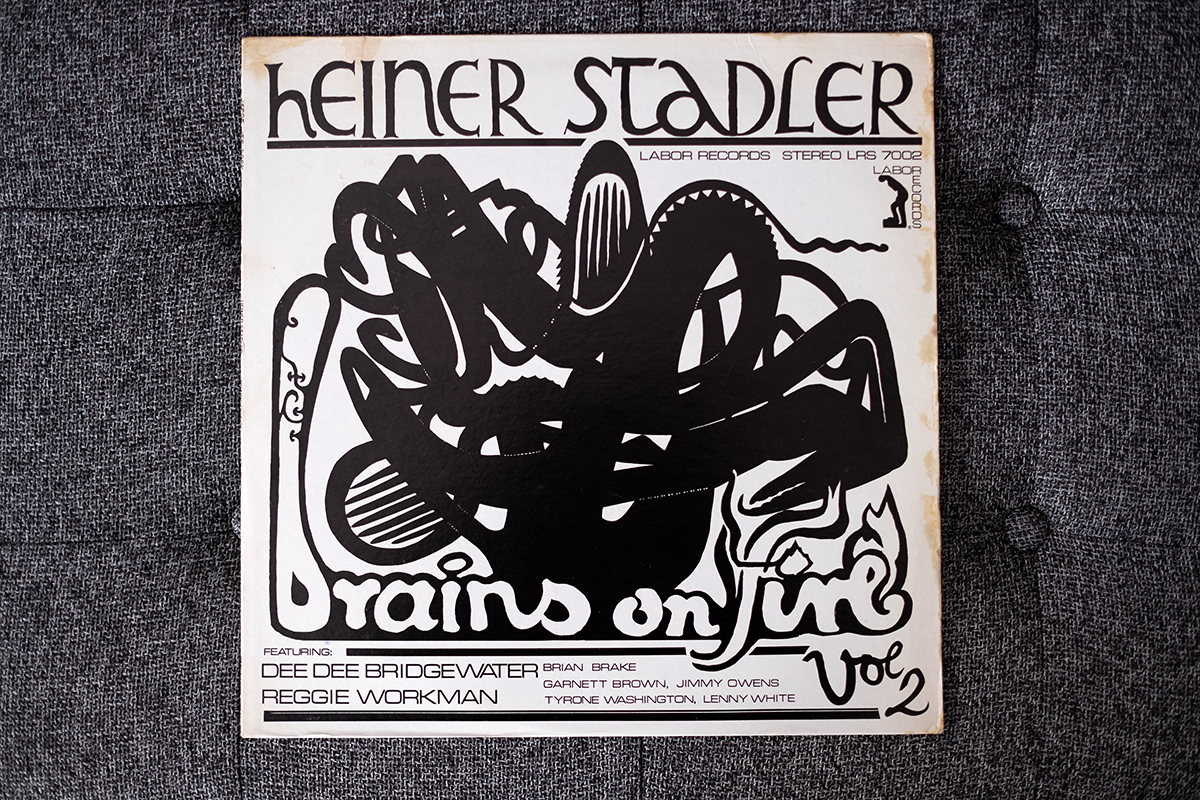
Heiner Stadler released two volumes of Brains on Fire on his own Labor Records in 1973/74 and while I love both, Volume 2 contains the side-long “Love In The Middle of the Air”, a poem by Lenore Kandel performed by Dee Dee Bridgewater on vocals and Reggie Workman on bass that sounds like nothing you’ve heard unless you’ve heard this. I don’t think it’s possible to make this music today, there’s too much skepticism or perhaps not enough perceived need for its kind of freedom.
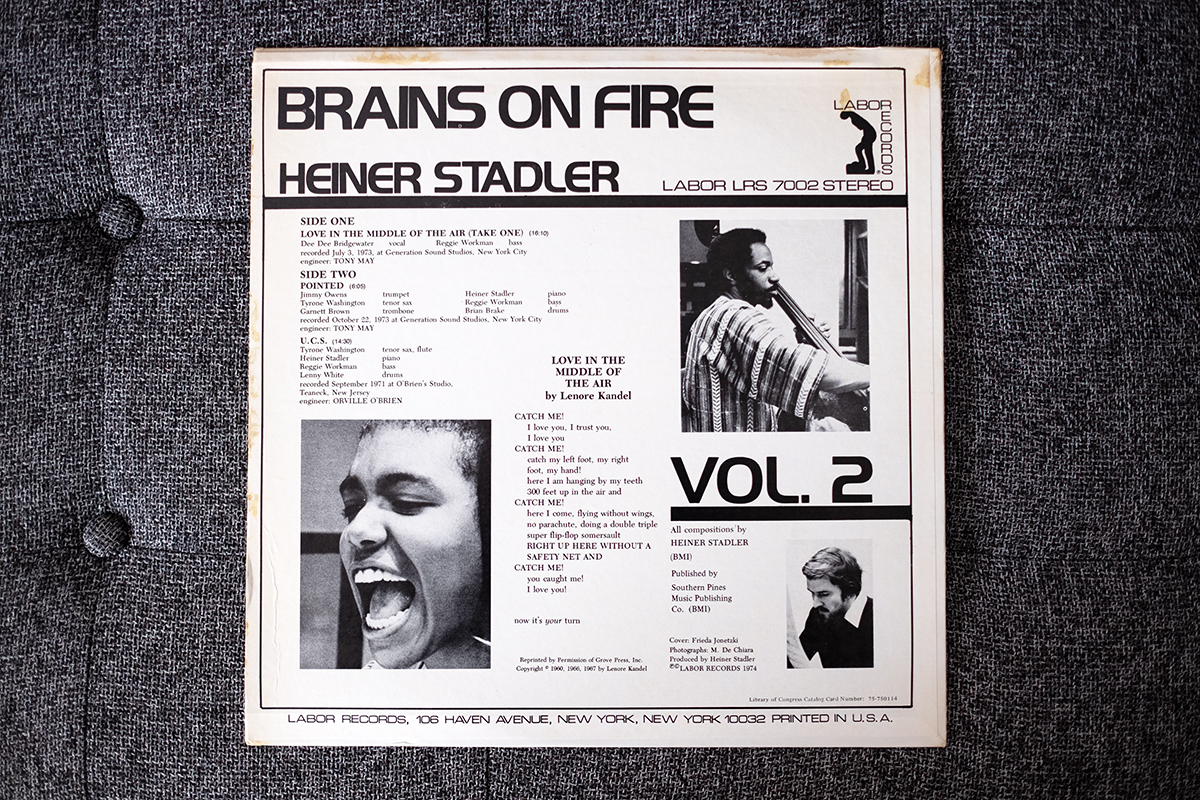
In any event, Bridgewater and Workman string time along, stretching it every which way with words and bass forming a suite deconstructing love and desire, a perfect sonic bookend to the added bedroom scene in Godard’s Contempt where Brigitte Bardot’s body is loved in pieces by Michel Piccoli. Timing, flow, voice and bass, simple elements adding up to a perilous balancing act in song that the EMT conveys in perfect gymnastic time-bending form. Body, weight, timbre and time all reproduced with seamless grace.
I spent many hours, many days, nights and weekends spinning records from my ever growing modest collection and I never once thought about changing a thing. That’s another important entry in my Great Big Book of HiFi Reviewing Wonders. And while I have a few other cartridges here, I’m not going to compare a single one to the EMT because not one sounds like the HSD 006 and its sound ignites my passion for music to a completely satisfying degree. It is enough cartridge for me. While I know there are better cartridges and cartridges that sound different from this EMT, I am not at all interested in going down that road. For now, at least.
What I can tell you is the EMT HSD 006 is made by a company with a rich, long, and storied hifi history, a company I am proud to own a small piece of in the form of the HSD 006 that is entirely capable of bringing music to life in all its powerful, fragile, beautiful wonder.
1. One of my father-in-law’s favorite sayings is worth sharing, “A short pencil is better than a long memory.”
EMT HSD 006 Phono Cartridge
Price: $1795
Company Website: EMT
US Distributor Website: MoFi Distribution
Specifications
Diamond: SFL
Cantilever: Aluminum
Transducer: MC Stereo
Magnet: AlNiCo, nickel-plated
Body: Aluminum, red anodized
Connection: 1/2″ – 4 pin
Vertical Tracking Angle: 23°
Weight: 12g
Tracking force: 2.4g
Output voltage: 1.05mV @ 5cm/s
Compliance: 12µm/mN
Frequency response: 20 – 25,000Hz
Impedance: 2 x 24Ω
Recommended load: 200 – 300Ω