One problem with being attractive is some people don’t take you seriously. Or so I’ve heard.
Too attractive. And I’ve overheard my fair share of comments over the years wondering if Accuphase gear is mostly about looks rather than performance. Of course these comments are typically made by men who’ve never spent real time listening to Accuphase gear, the audiophile equivalent of high school dating.
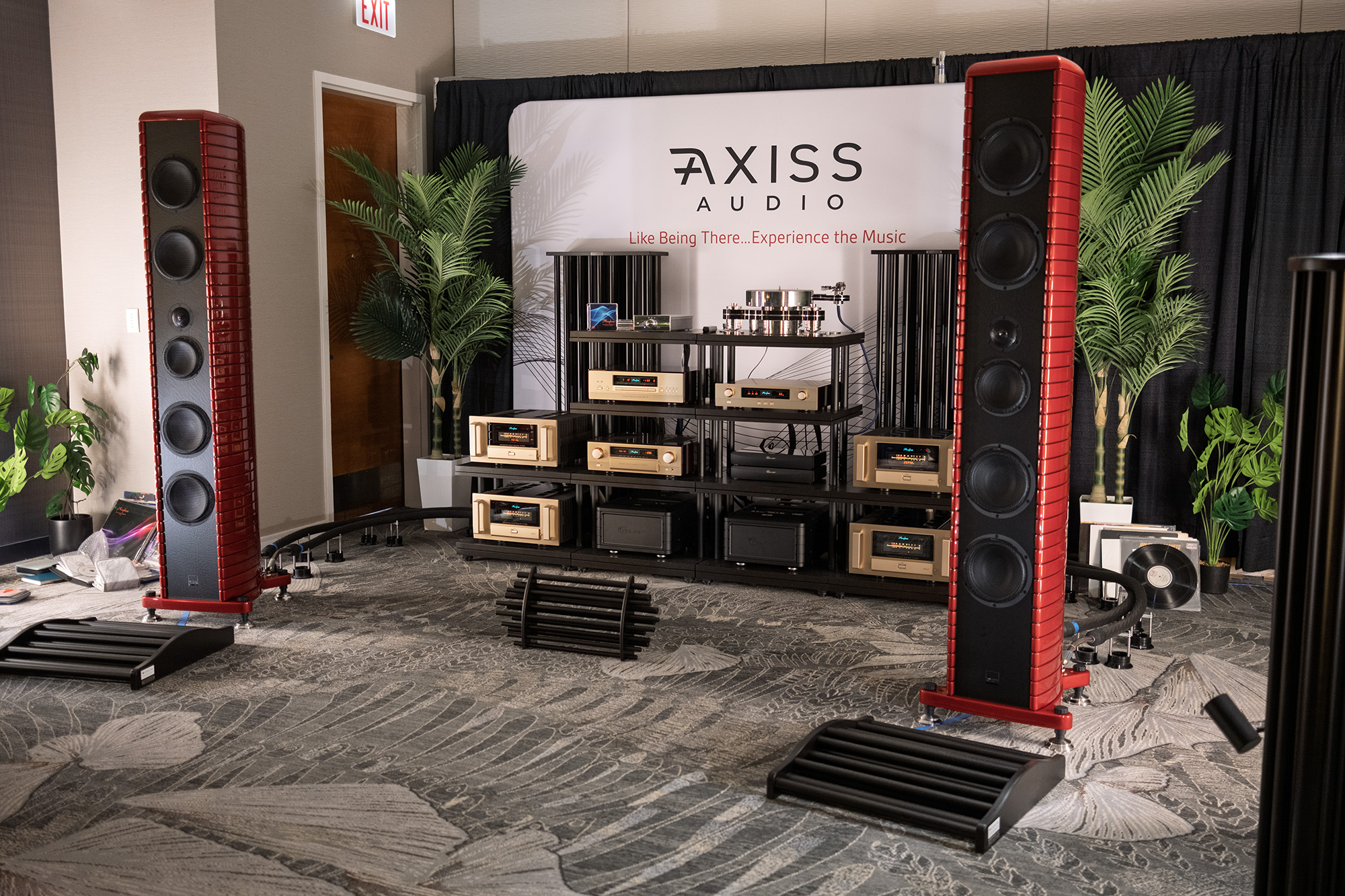
Truth be told, I’ve been wondering about how Accuphase gear would fare here in the Barn for years—while I’ve spent time in front of plenty of show systems featuring large stacks sporting that classic champagne finish, it’s just not the same. Not the same as getting to know hifi kit at home. Or in Barn.
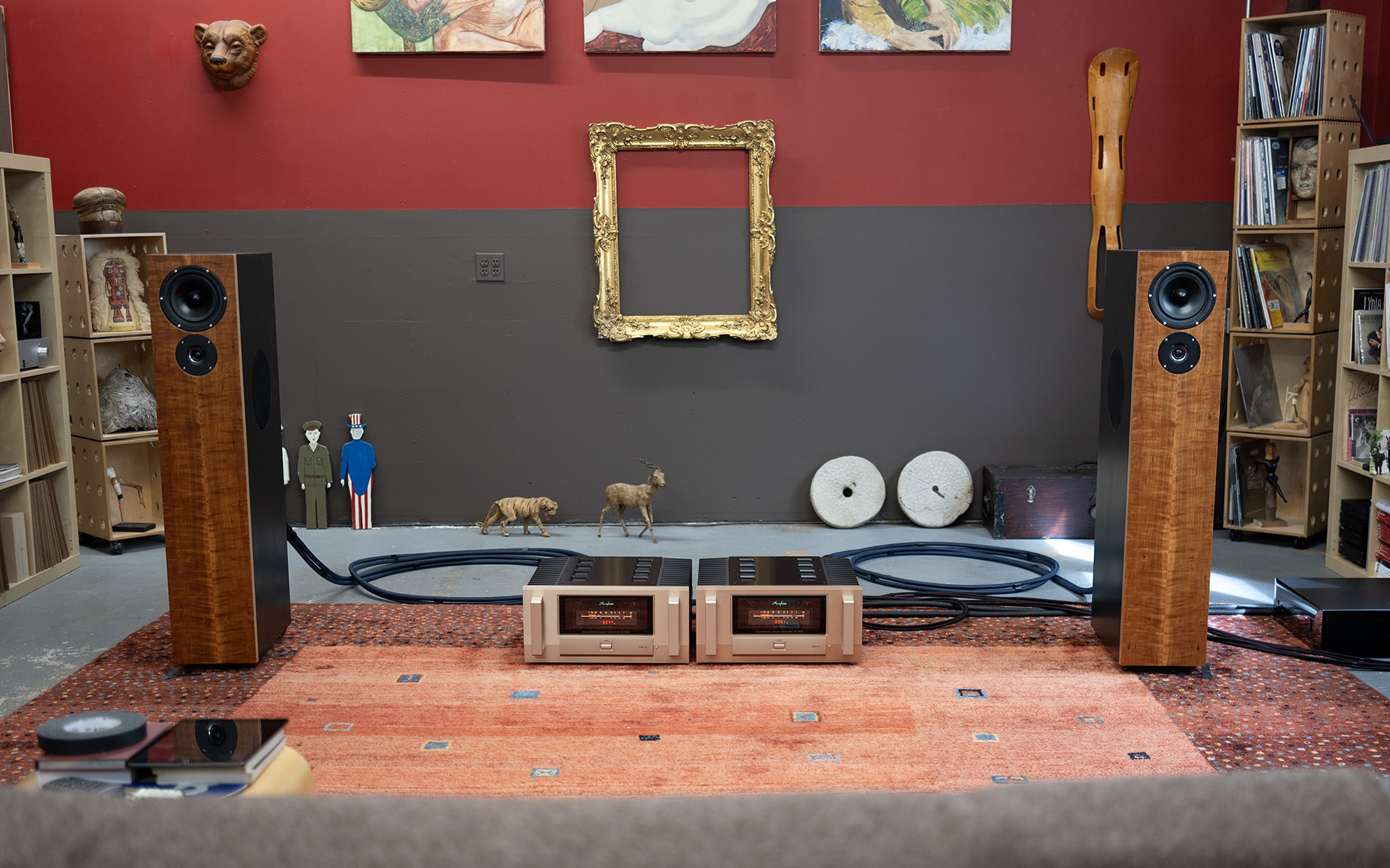
Yet fate has a funny way of intervening in the best laid plans of Barn mice and men and it was only through a convergence of events largely out of anyone’s control that my time with the Accuphase C-2300 Preamplifier and A-300 Mono Amplifiers was limited to about two weeks.
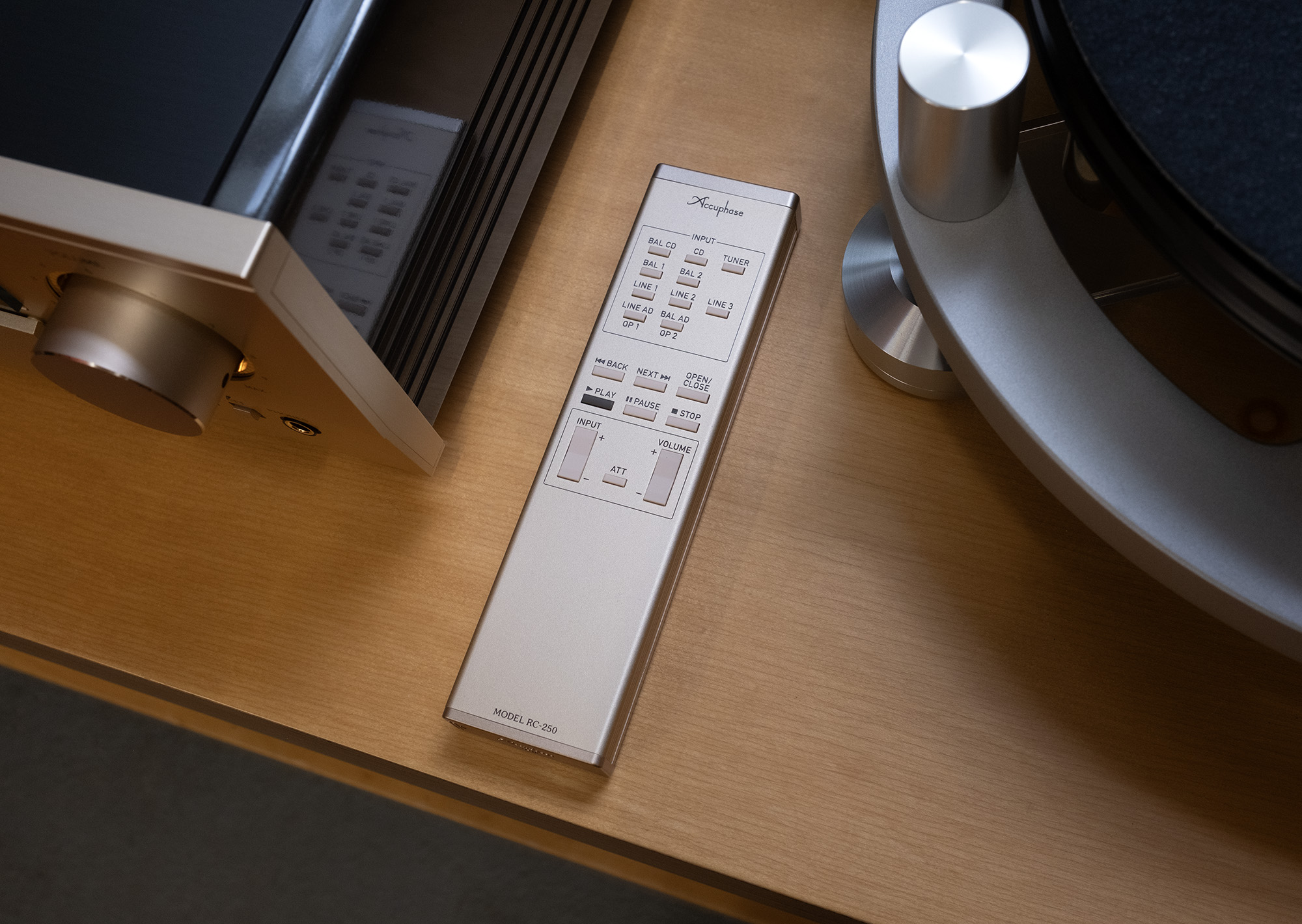
And part of that time I sat staring at the stack sitting in their boxes after their arrival because some minor outpatient surgery limited my lifting to things weighing less than 25 lbs. which is almost the weight of the included Accuphase remote (kidding).
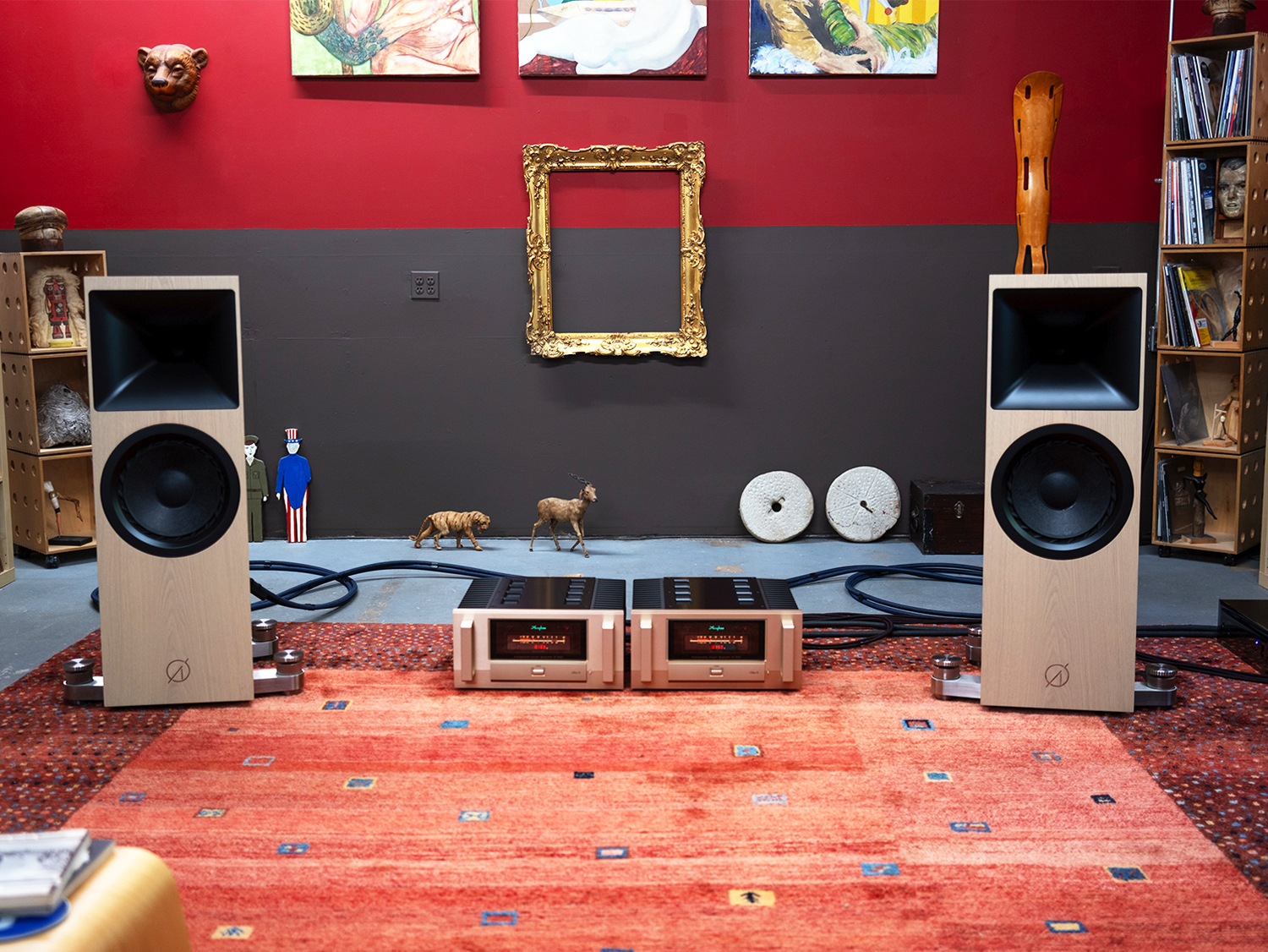
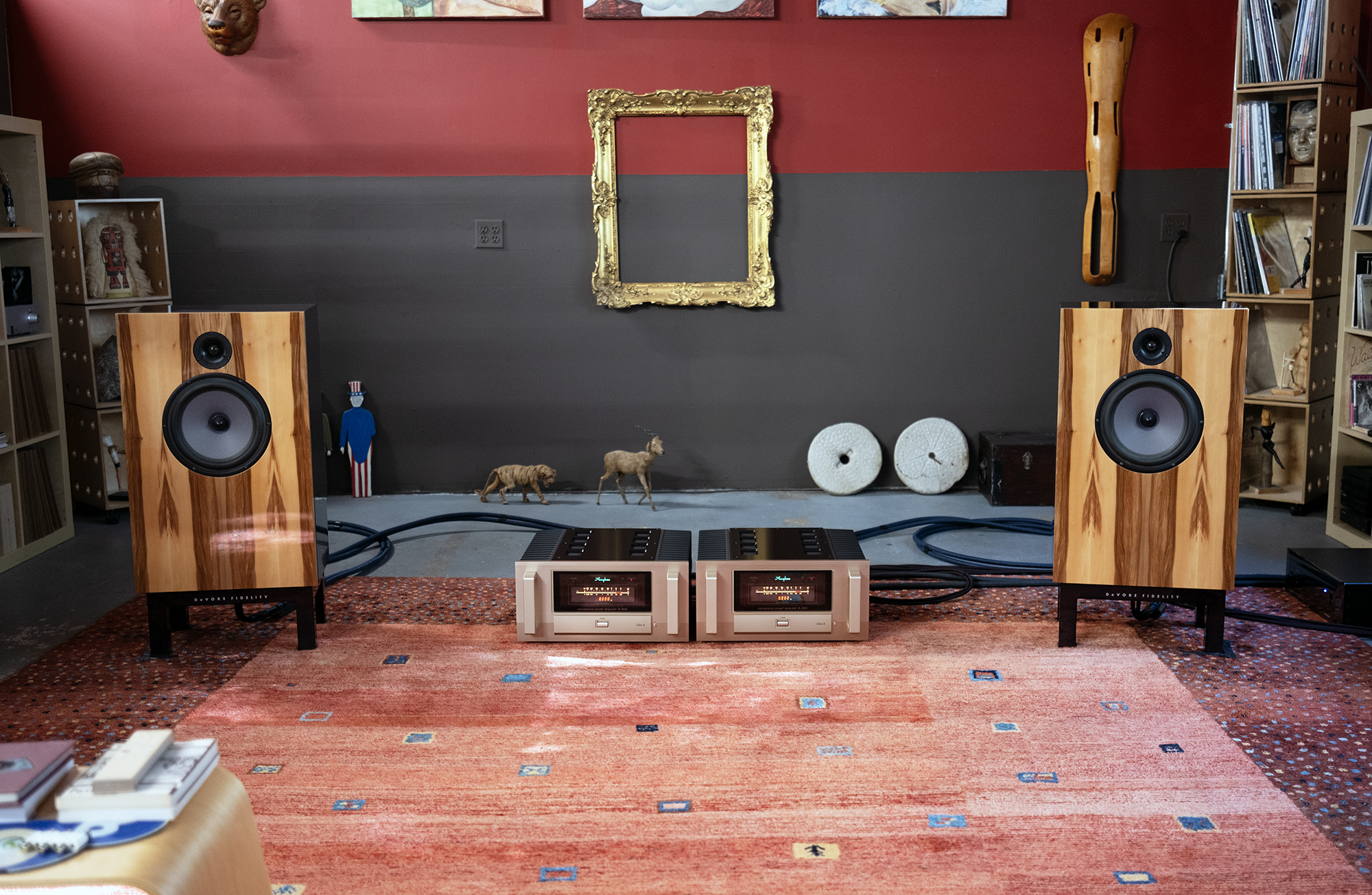
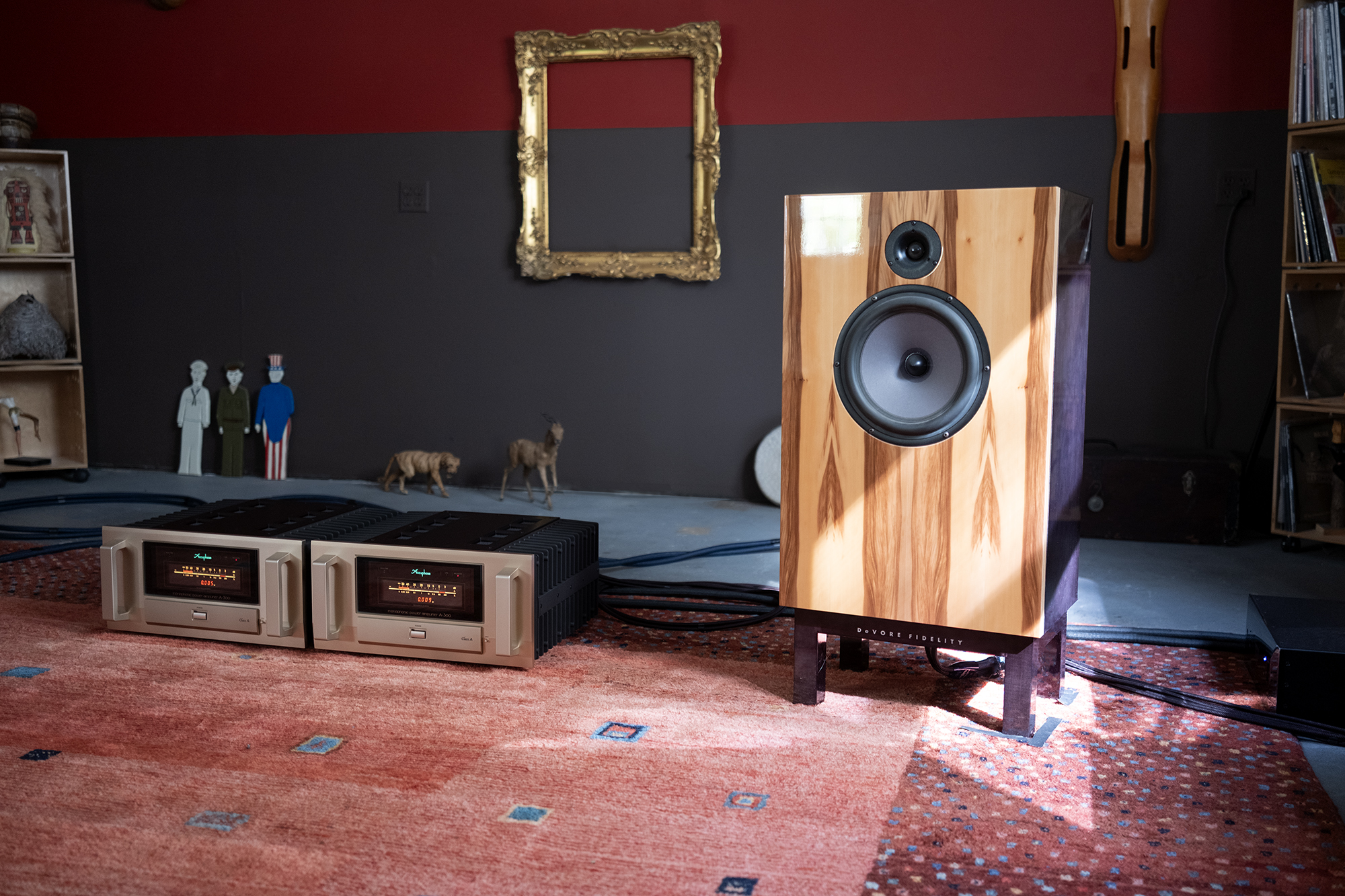
During their brief stay, the Accuphase stack got to play with the review DeVore Fidelity gibbon X (more info), speakers I lived with for years years ago, the Barn resident DeVore O/96 (review) and the recently arrived Ø Audio Ymir (more info). Two out of three pair of loudspeakers I know very well. Another important point to take into account is this Accuphase stack had plenty of run time before it arrived. The rest of the system saw the Audio Note DAC 4.1x IZVOR Balanced (more info) fed by the Barn resident Grimm MU1 (review) in play with everything tied together with AudioQuest’s ThunderBird XTRM cables (see full Barn and system details).
This condensed time-frame meant I needed to approach things with more intention and focus as compared to my usual more relaxed 2-month review period. This played out by seeing a larger ratio of known to unknown music choices, albums and tracks I know really well so I could focus and zero in on what the Accuphase gear had to say. Luckily, for me and you, what I’ve been hearing through all three pair of speakers is reproduction that is at once compelling, delicate and rich with a sweet smoothness that many a solid state amp bully over, the kind of sweet smoothness that makes people buy amps with tubes.
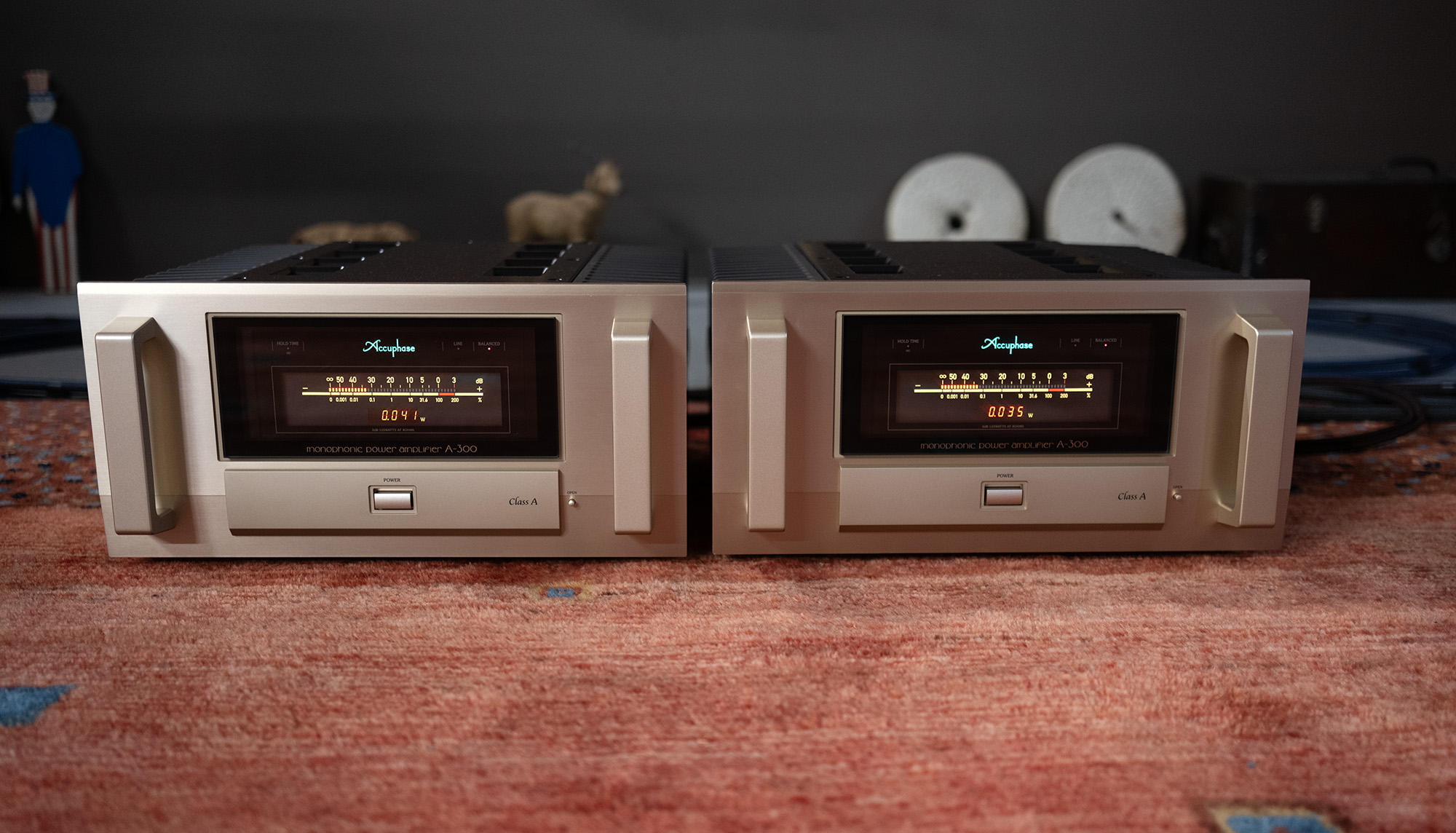
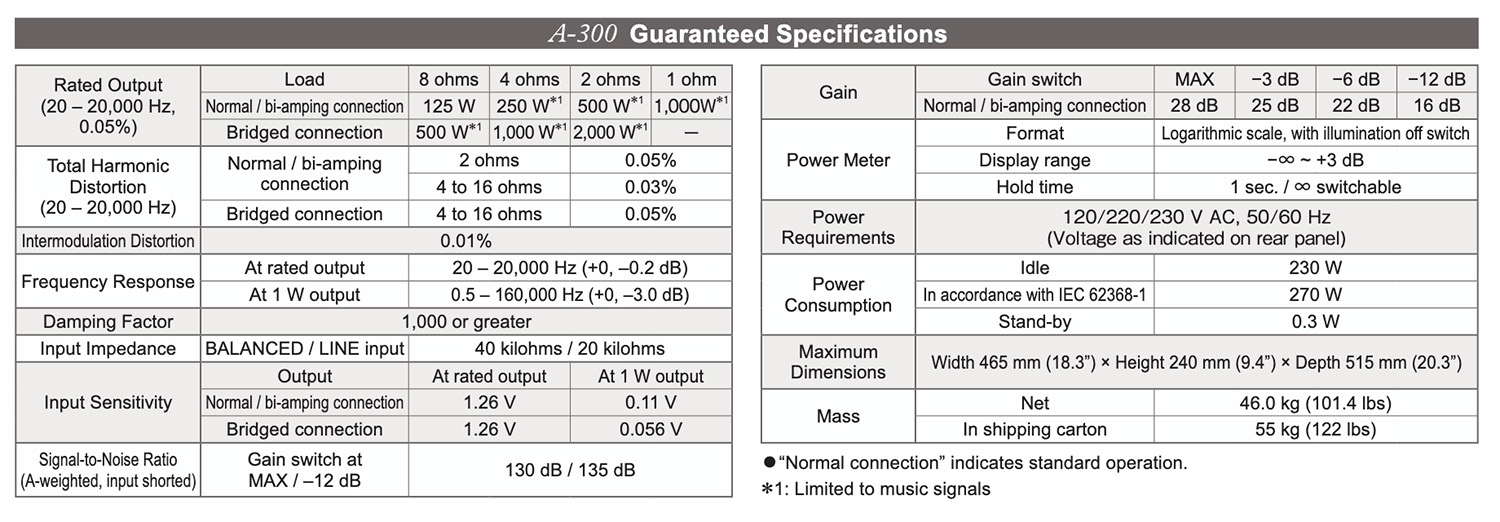
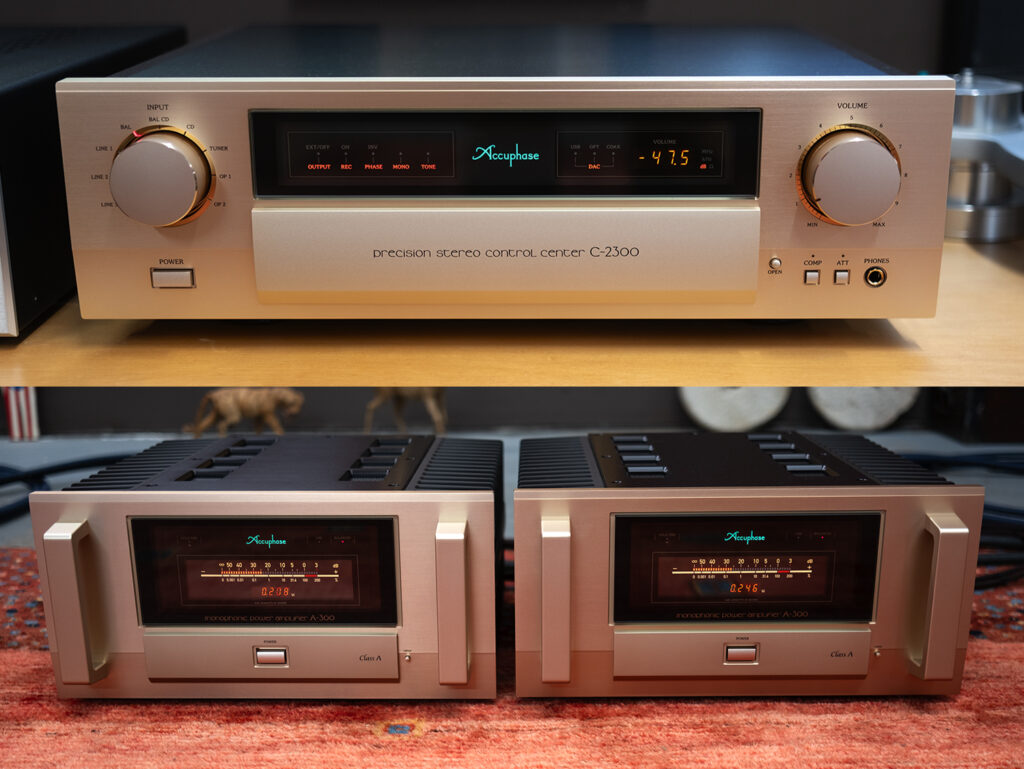
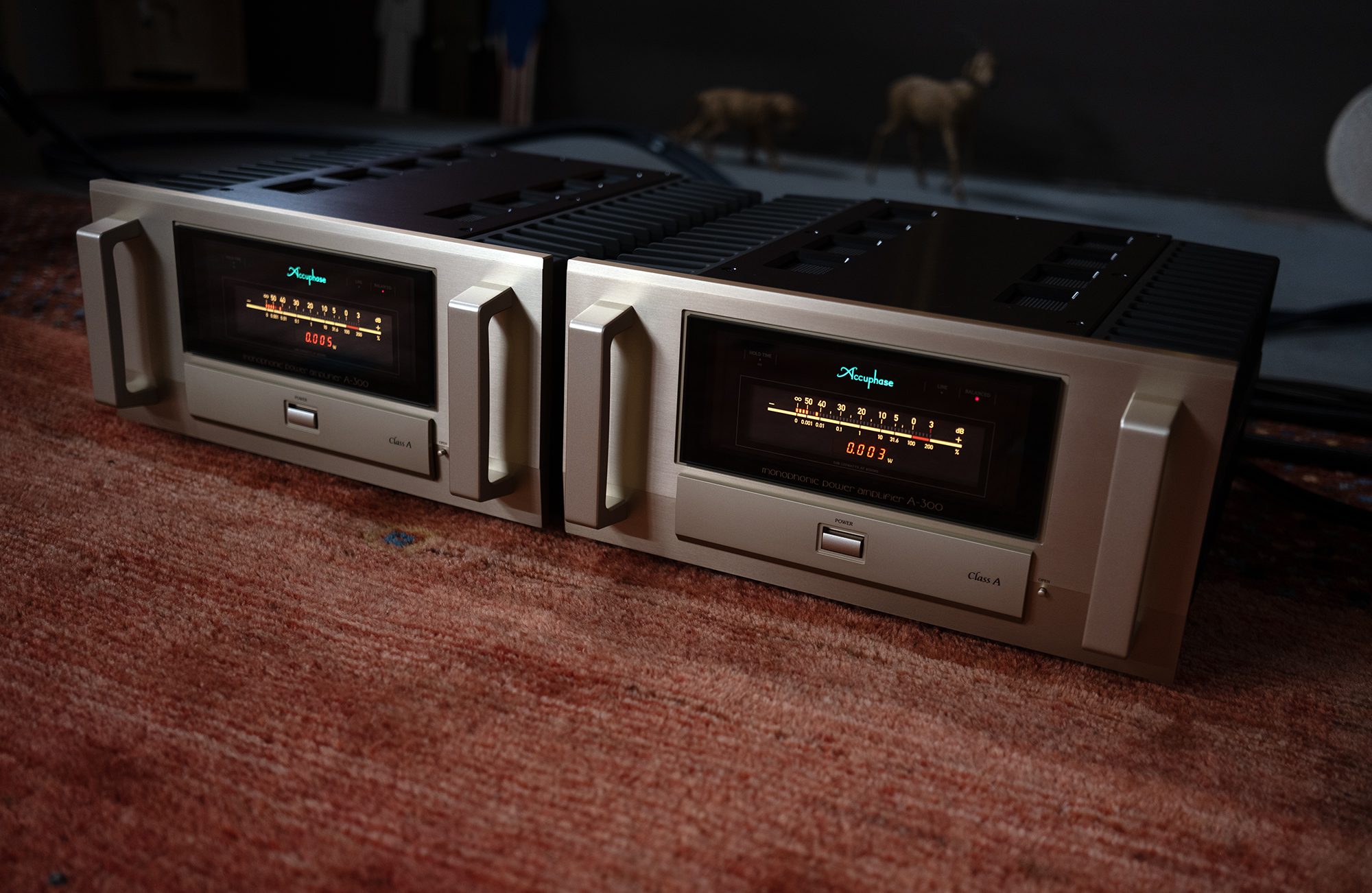
Let’s start with the A-300 Mono Amplifiers which were created to celebrate the company’s 50th anniversary. As you can see, “Class A” is written on the front panel and it’s worth noting that the A-300s operate in Class A when pumping out up to 125 Watts into an 8 Ohm load. When speakers demand more power than any of the three speakers that were used for this review, the operating mode digs into Class AB where the A-300 can put out a whopping 1,000 Watts into a 1 Ohm load.
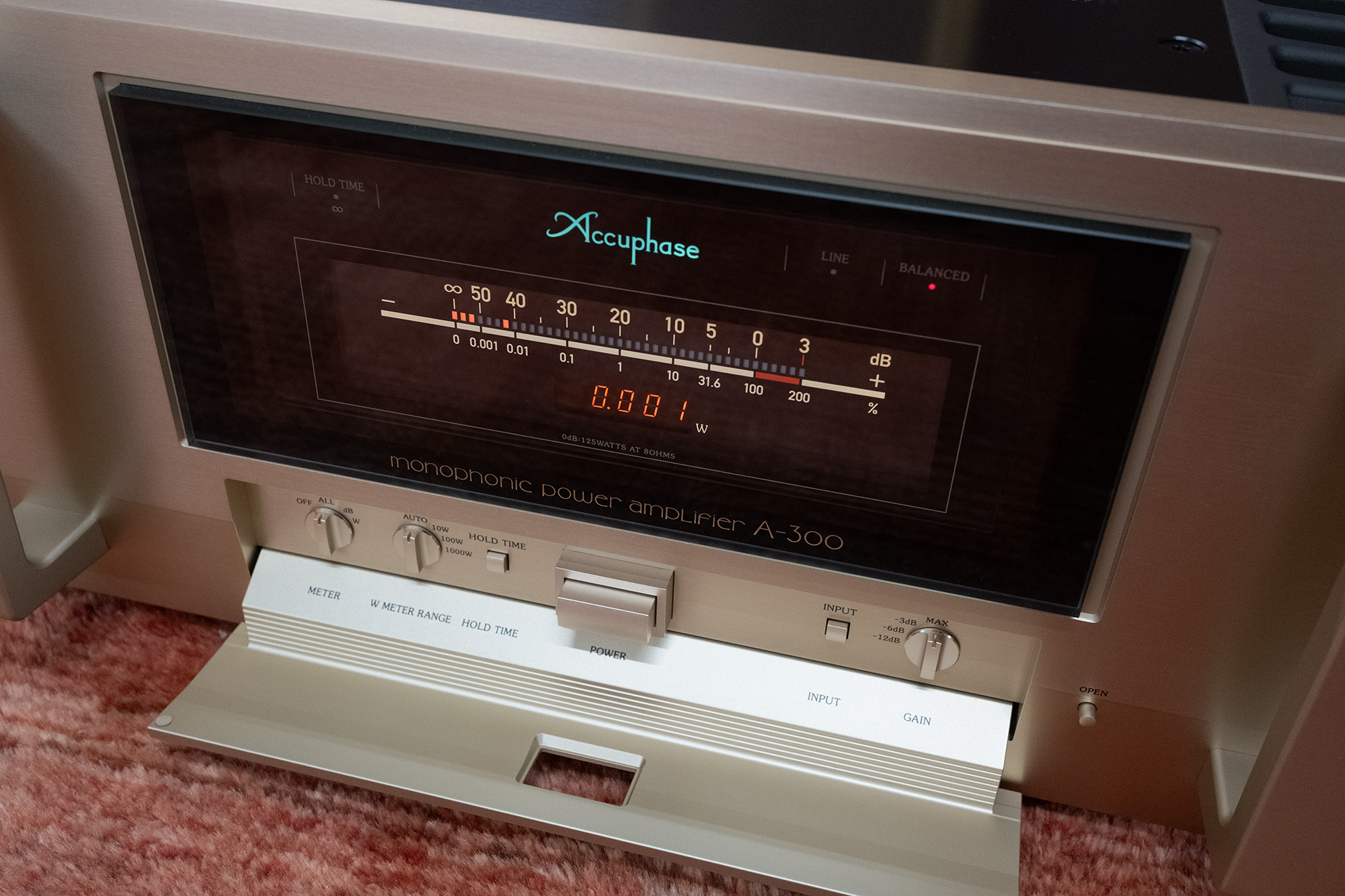
Thanks to those colorful and informative meters, the A-300 provide real-time output power data in dB and Amps. Here’s a fun fact—pushing listening levels into 90dB peaks at the listening couch, something I rarely if ever do when just listening, the A-300s never had to put out more than 20 or so Watts with even the gnarliest bass heavy bombast played through the Ø Audio Ymir. Of course the other side of this power equation finds three pair of speakers with relatively easy loads—all three offer over 90dB sensitivity and an 8 Ohm (and up) impedance.
All this power, and all that reserve Class AB power that I never got to hear, come courtesy of 20-parallel push-pull power MOS-FETs found in the A-300’s output stage aided by what the company calls its Double MCS+ circuit and Current feedback amplification topology.
I’ll let Accuphase explain:
By placing the voltage amplification stage in a two-parallel circuit layout, the MCS+ (Multiple Circuit Summing-up) circuit theoretically reduces the noise floor by about 30%. The A-300 comes with 2 MCS+ circuits in a Double MCS+ circuit configuration.
The current feedback amplification circuit offers excellent phase characteristics in the high-frequency range with almost no impact on the frequency response even when gain is switched, resulting in natural and dynamic driving of the speakers.
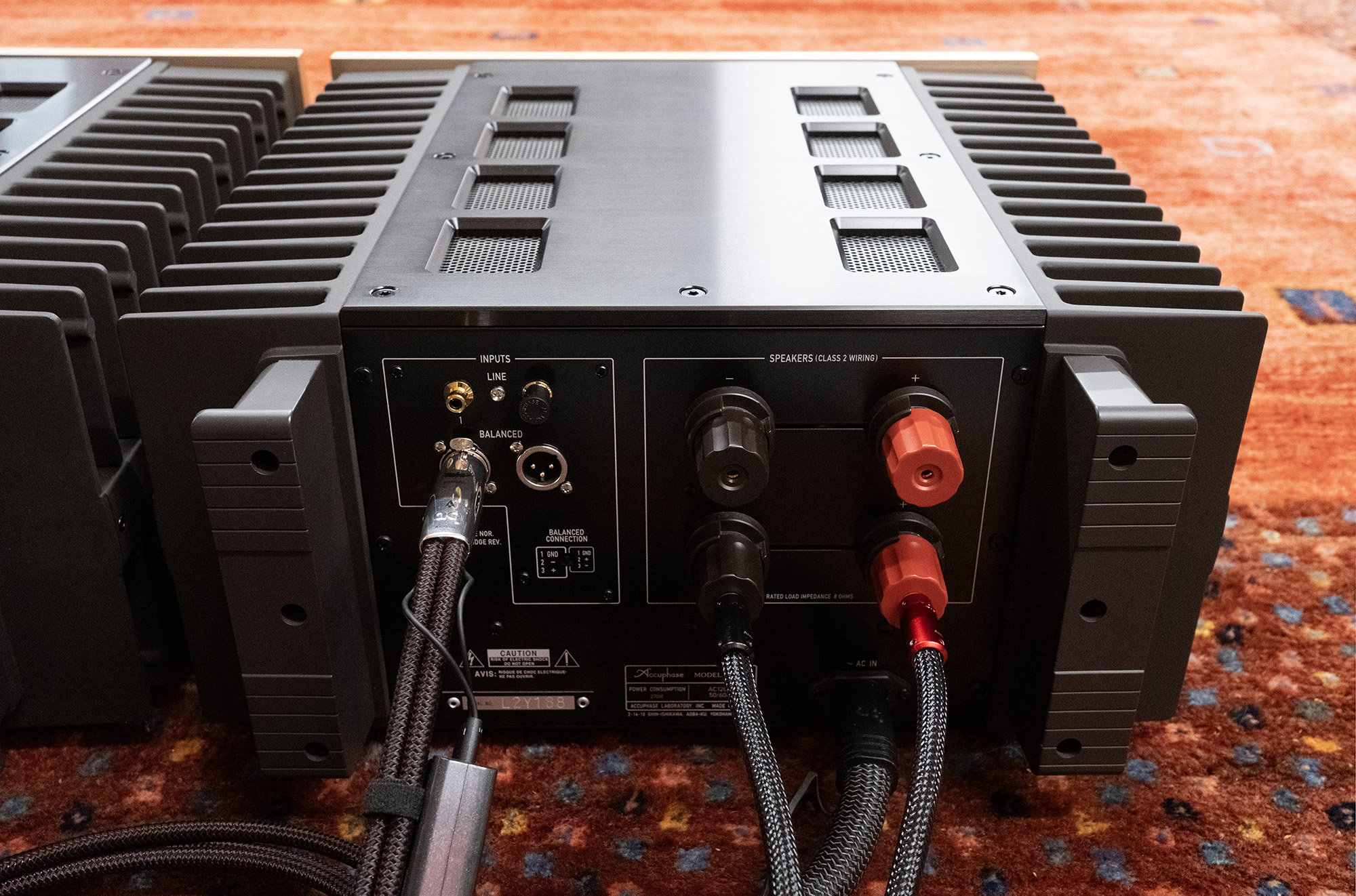
Around back we find single-ended and balanced inputs and two sets of massive binding posts per side. Those massive handles along with the champagne finished versions up front come in handy when lifting, or in this case when a friend comes over to lift the A-300’s 101 lbs. (a piece). There’s also an Operating Mode switch for choosing between the balanced and single-ended inputs, a Balanced input polarity selector, and IEC inlet.
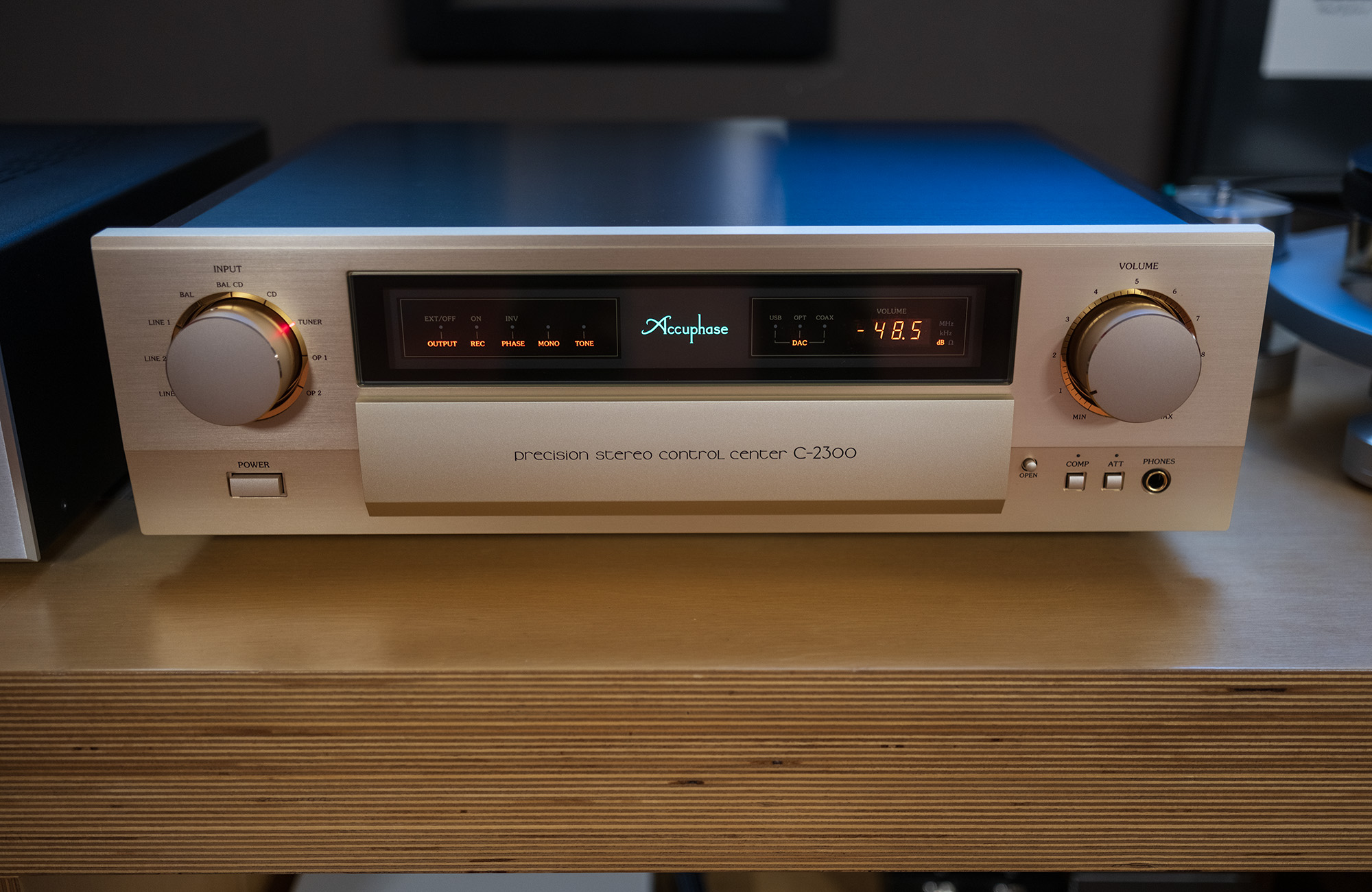
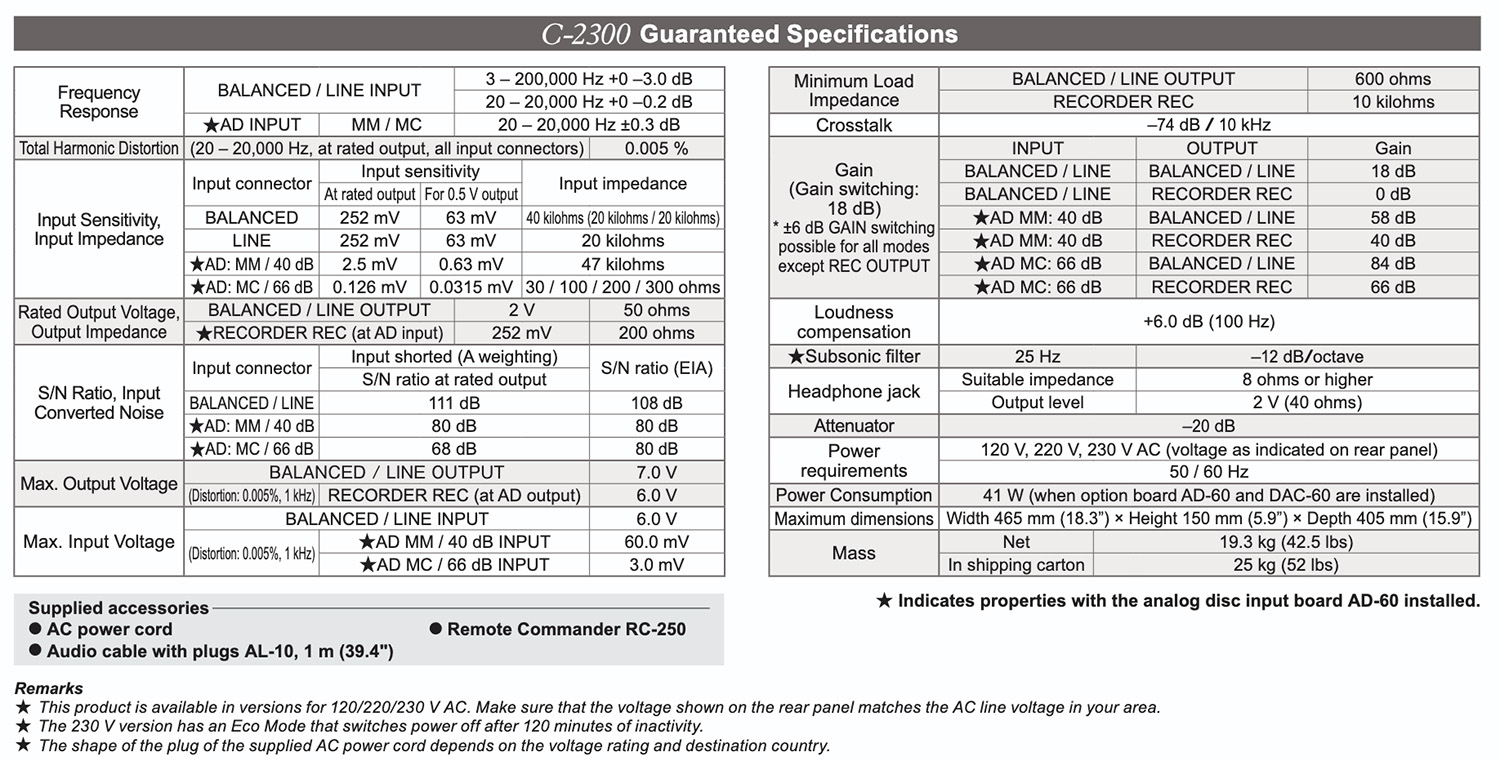
The C-2300 “Precision Stereo Control Center” aka Preamplifier is one of four in the Accuphase stable sitting below the C-3900S and C-2900 in terms of price and I’ll assume performance. The reasoning behind calling the C-2300 a Precision Stereo Control Center has to do with the features and functions hiding behind the drop-down front panel.
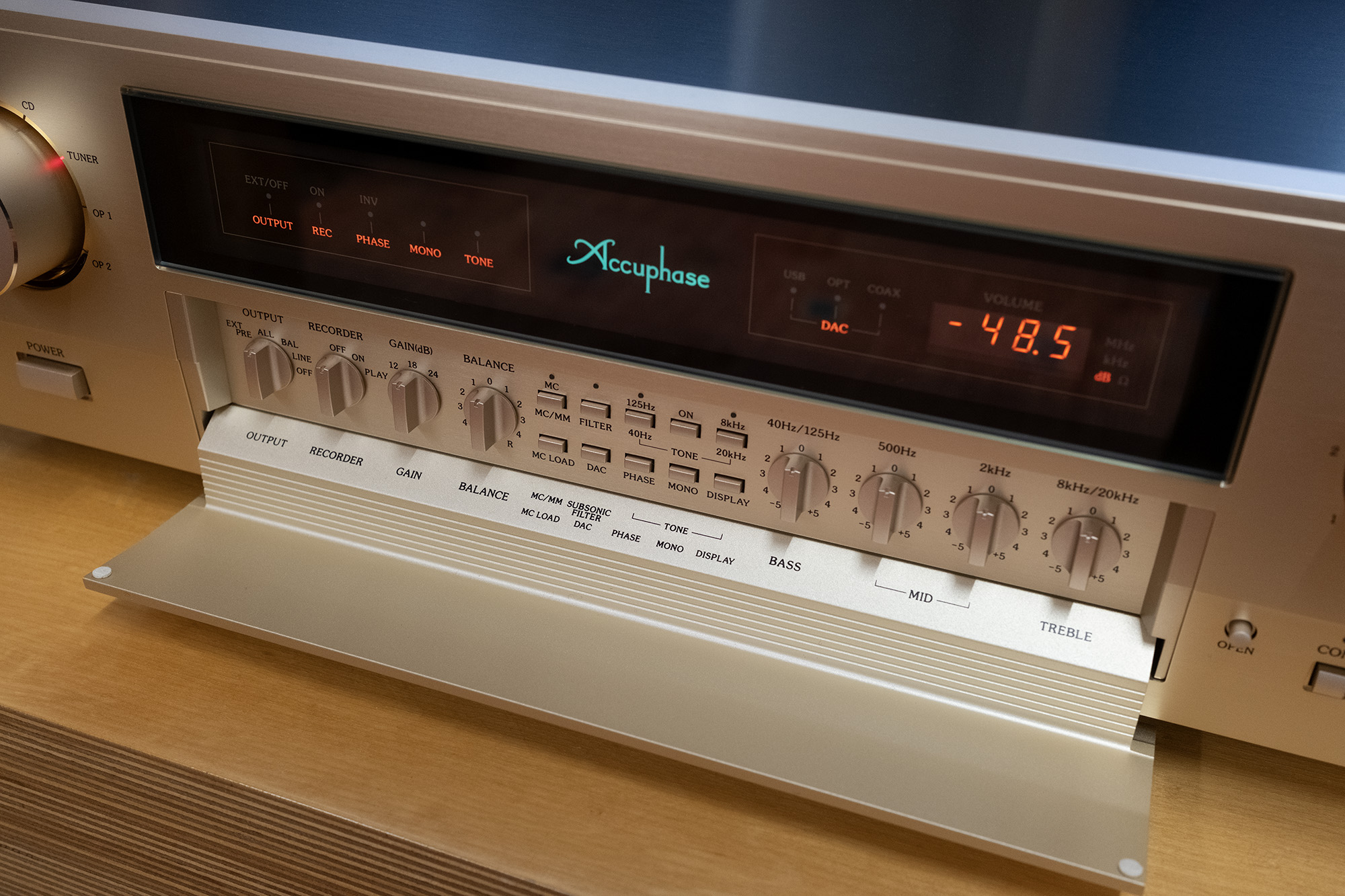
Here you’ll find some old school (and welcome) features including an Output selector, Recorder, Gain (12, 18, 24dB), Balance, a number of push button controls for the optional phono and DAC modules (not included in the review unit), Tone controls, Mono mode, and a four-band equalizer with control knobs for bass, midrange, and treble. If you’re wondering how it feels to press the “open” button and watch that front panel’s slow, silent, and steady slide to open, think—like butter.
Here are the C-2300’s design highlights courtesy of Accuphase:
- Balanced AAVA volume control\
- 4-band tone control
- Quiet and smooth volume sensor construction
- Ample inputs: 5 Line and 2 Balanced
- Independent power supplies and unit amplifiers for left and right
- Phase setting memory for each input
- Highly reliable logic-controlled signal switching relays
- High-quality headphone amplifier
- Additional option boards support digital signals and analog records
And here’s Accuphase on the Balanced AAVA volume control:
AAVA uses a volume sensor design to detect the position of the volume knob and changes the combination of signals to adjust volume. Machined from an aluminum block in an ultra-precise extrusion process, the C-2300 uses a volume sensor design developed in-house with hefty, rigid materials to achieve an utterly smooth and solid operation feel when rotating the knob for extremely accurate position detection. Operational sounds are subdued even when using the Remote Commander, resulting in quiet and gratifying volume adjustment.
I can attest to that volume knobs precision and smoother than smooth operation that added to the luxuriousness of living with the Accuphase gear. On more than one occasion while turning that knob I flashed back to classic safe cracker ear-to-tumbler scenes. I watch a lot of movies. Overall I’d say Accuphase more than earned that capital “P” in Precision.
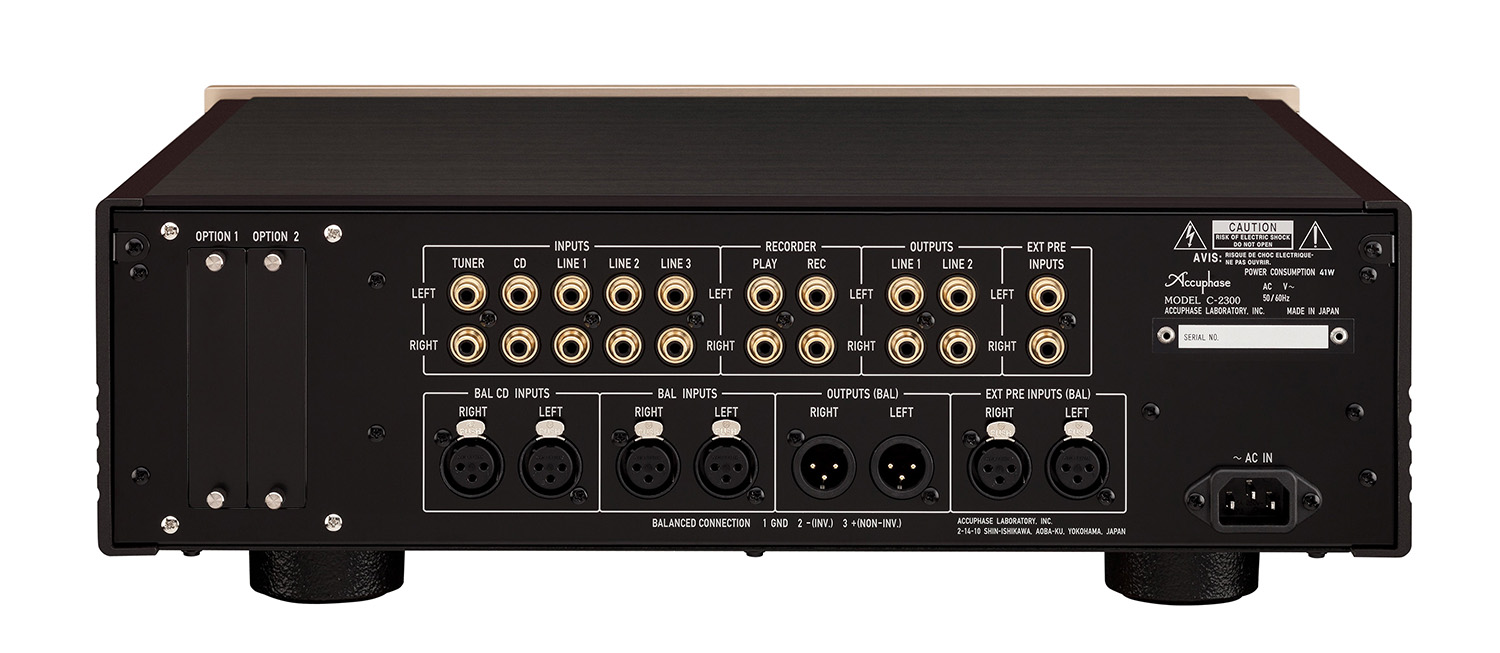
The back panel is chock full of RCA and XLR ins and outs, Pre In (XLR and RCA), an IEC inlet, and slots for the optional phono and DAC boards.
For anyone interested in digging into greater detail, I recommend reading the A-300 and C-2300 brochures.
Overall, living with the Accuphase gear proved a few things—the C-2300 preamp and A-300 mono amps are even lovelier to live with than look at from afar, build quality is beyond exceptional, and you get the very real sense that every single thing that goes into their making has been thoughtfully selected and designed right down to the high carbon cast iron footers. In terms of pure visual appeal color me sold on every aspect of Accuphase design and if there was an award for knob feel, Accuphase would garner a lifetime achievement award.
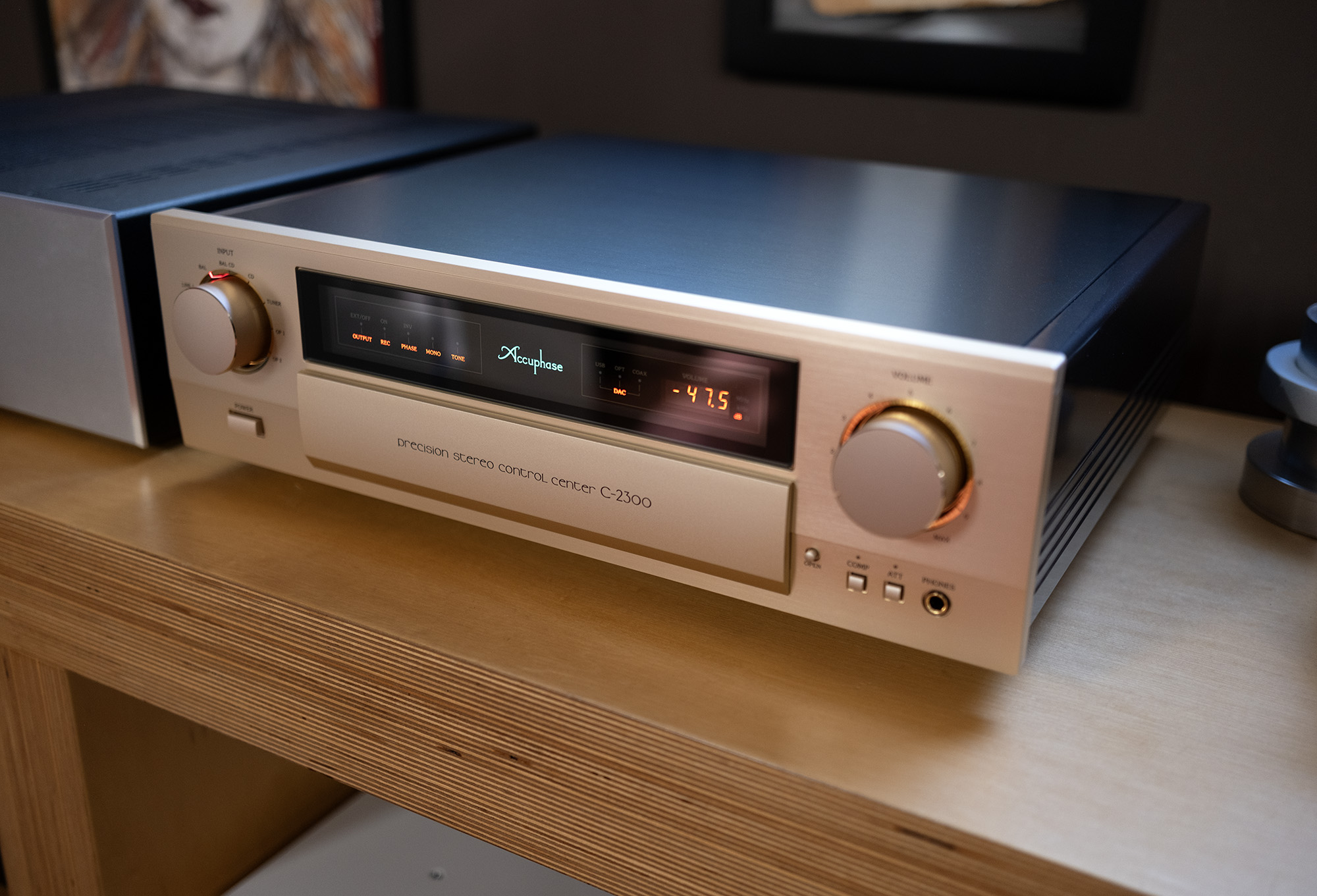
The best part is their performance matches their appearance.
When mornings get cold I think of Justin Vernon. Specifically his work as Bon Iver and with leaves floating to the ground in yellows, oranges, and reds, I turn to his debut, For Emma, Forever Ago. Call me sentimental. Released in February of 2008, I’ve been returning to For Emma, Forever Ago for some 18 years and when I do the last thing I want to do is listen critically. Can you listen to For Emma, Forever Ago critically?
What I want is its embrace, the full sad lonely story delivered as a rush of emotion. Energy as opposed to frequencies. And this is exactly the way the Accuphase gear reproduces music with a stunning degree of emotional engagement that I usually associate with lower power Class A designs and more often than not tubes. The sounds of music in space through the Accuphase stack no matter the speaker felt resoundingly real. Not like some phantom mimic, rather music felt embodied in air so fully these mostly silly distinctions between you are there and they are here disappeared. Shoved aside because my connection to the sorrows and pain shared by Justin Vernon superseded audiophile concerns. There was nothing about this reproduction to doubt, nothing to break the spell in the moment, just pure sweet sounds that were as real as the changing light. Stunning.
I first discovered Mal Waldron’s 1961 masterpiece The Quest while rifling through the stacks at the long gone and greatly missed Other Music on East 4th Street which was right around the block from the long gone and greatly missed Great Jones Cafe—the best record shopping and chicken wings combo on the planet. Sigh.
The Quest is filled with all Waldron originals with a super star lineup—Mal Waldron (piano), Eric Dolphy (alto saxophone, clarinet), Booker Ervin (tenor saxophone), Ron Carter (cello), Joe Benjamin (double bass), and Charlie Persip (drums). Edging between hard bop and the avant-garde, pulsing between high energy and forlorn lyricism played with perfect and imperfect precision. A wholly human affair.
The conversations between players and their distinct sounds is where the riches live on this record and the Accuphase gear proved its own abundant riches abound from the get go. Swinging with Booker Erwin, sawing with Carter on cello, and Dolphy’s near manic jaunts all over and around the melodic line had this joint a jumpin’. Accuphase can swing, baby.
You want/need speed to keep up as well as dynamics that keep pace with this angular music and the Accuphase combo is almost uncannily adept at moving along with music’s pace. And I say uncanny because there can be a trade off of sorts between richness and speed with some amplification proving better at one than the other. Or to say it another way, I’ve heard some SET amps sound a bit slow and sloppy while some solid state and digital amps can feel faster than music, leaving tone and nuance in the dust.
But generalizations are made to be broken and my favorite amps, whether integrated or separates, offer a perfect balance and the C-2300/A-300 are cut from this cloth. I’ve been using “Warm Canto” as a test track for decades and the Accuphase gear offered among the most compelling renditions I’ve had the pleasure of experiencing. The tone of Dolphy’s clarinet was so fully realized it nearly seemed as if its sound in the space of the Barn was describing the form of the instrument—its hollow tubular resonant body feeling materially present.
Bjork’s Telegram from 1997 is a remix album featuring re-workings of tracks from her album Post by the likes of Graham Massey (Masseymix), the Brodsky Quartet, Deodato, and Dillinja. Varied and fascinating and I will share that an important aspect of my love for this record lies in the cover art and photos of Bjork by Japanese photographer Nobuyoshi Araki. Two, two pleasures in one.
There’s a track-to-track dissociative disorder due to the varied voices, something else I love about Telegram which didn’t phase the Accuphase stack one bit. From the Brodsky Quartet’s sweeping strings, to Further Over the Edge’s edgy crush, to Evelyn Glennie’s percussive ringing I was treated to all the subtle, pomp, and nuance herein with Bjork’s wild vocalizing over the top.
Confession: when I read about hifi gear that’s supposedly good at certain kinds of music—great for acoustic jazz and air guitar—I shudder at the notion that a hifi acts as limiter to the kinds of music we can enjoy. Shudder. Thankfully this sentiment is more idea than reality and you don’t have to spend a certain amount to get there.
One obvious and easy comparison is with the recently reviewed Esoteric Grandioso C1X solo Preamplifier & Grandioso S1X Power Amplifier (review) that come in at $63k which is close to the Accuphase stack’s $65k in round numbers. This comparison necessarily includes aesthetics seeing as both companies invest in appearance and I have to admit, as much as I loved looking at the Esoteric gear in all its flowing sculpted smoothness, the Accuphase’s old school charm won my heart with its warmer colors which brought with it a more inviting appeal. Of course your taste may vary.
In terms of performance, my preferences once again tilt toward the Accuphase stack’s richer delicacy that reached deeper into my preferences than the Esoteric gear’s compelling physicality. The overlap speakers here were the DeVore O/96 and the Accuphase stack brought out a sweeter sound while still offering a stunning sense of the space of the recording, exceptional control, and a highly refined presentation overall.
As is the case with everything in hifi, amplification choices come down to your speakers and preferences so I’m not declaring a winner, I am sharing my contextual preferences. Speaking of which, can you imagine someone, anyone?, buying the Accuphase C-2300 to go with the Esoteric S1X believing that mixing and matching separates from different companies is somehow a good idea that may lead to better overall performance? To my way of thinking going down this road that has more possible combinations than a 100x100x100 Rubik’s Cube is more about valuing personal curation than sound quality. “Look what I made!” declared Dr. Frankenstein.
My “Fun” playlist, which I share with Patrons, is up to 236 tracks. I also refer to these as ‘test tracks’ and I spent a fair amount of time listening through this list. From old well worn favorites from Tom Waits, Nick Cave, Bob Dylan, PJ Harvey, and Jimi Hendrix to newer finds from Dawuna, Show Me The Body, FKA twigs, Tara Clerkin Trio, and Aldous Harding. In every case, with every track I was reminded of the musical reasons I love each one, their unique voices and structures all speaking to, singing about, and describing why difference is a crucial element of humanness and how hifi, especially great hifi and I include this Accuphase gear in that category, brings music’s universe of riches into our homes.
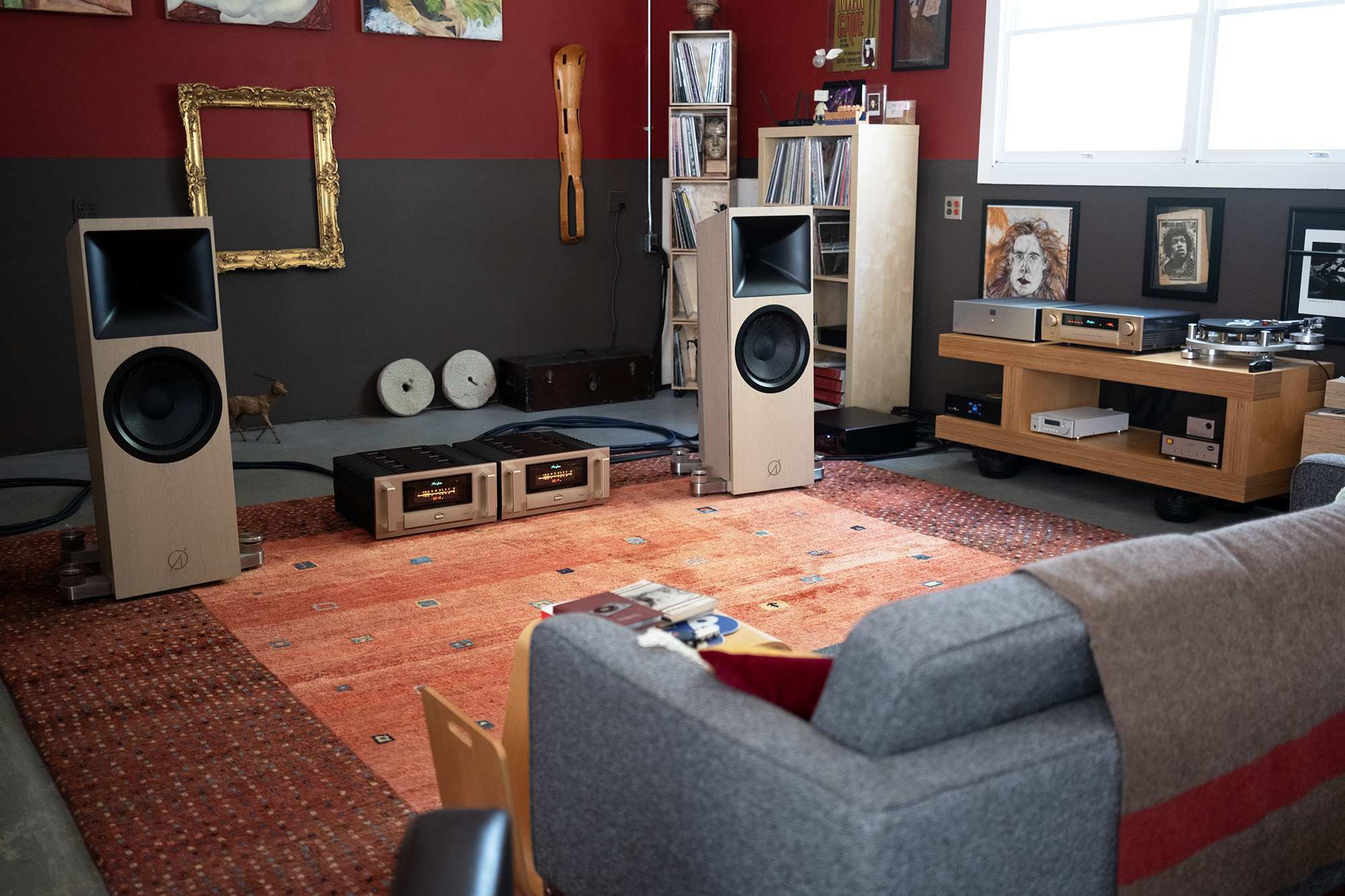
While my time with the Accuphase stack was short, my enjoyment was long. I’ll share that when some review gear is ready to go back to its maker or distributor I feel a sense of loss. A twinge. A pang. And this was the case with the Accuphase gear more sharply than most as I’m going to miss every single thing about living with them. So I spent my final hours before packing up the C-2300 and A-300s, with the help of great neighbors, just listening. Just soaking in music that felt like a deep embrace from a dear friend.
All things considered—and I do mean every single thing to do with appearance, build quality, user experience, and performance—I give the Accuphase C-2300 Preamplifier / A-300 Mono Amplifier combination my highest recommendation.

Accuphase C-2300 Preamplifier: $14,975
Accuphase A-300 Mono Amplifiers: $24,975/each
Company Website: Accuphase
US Distributor Website: Axiss Audio