
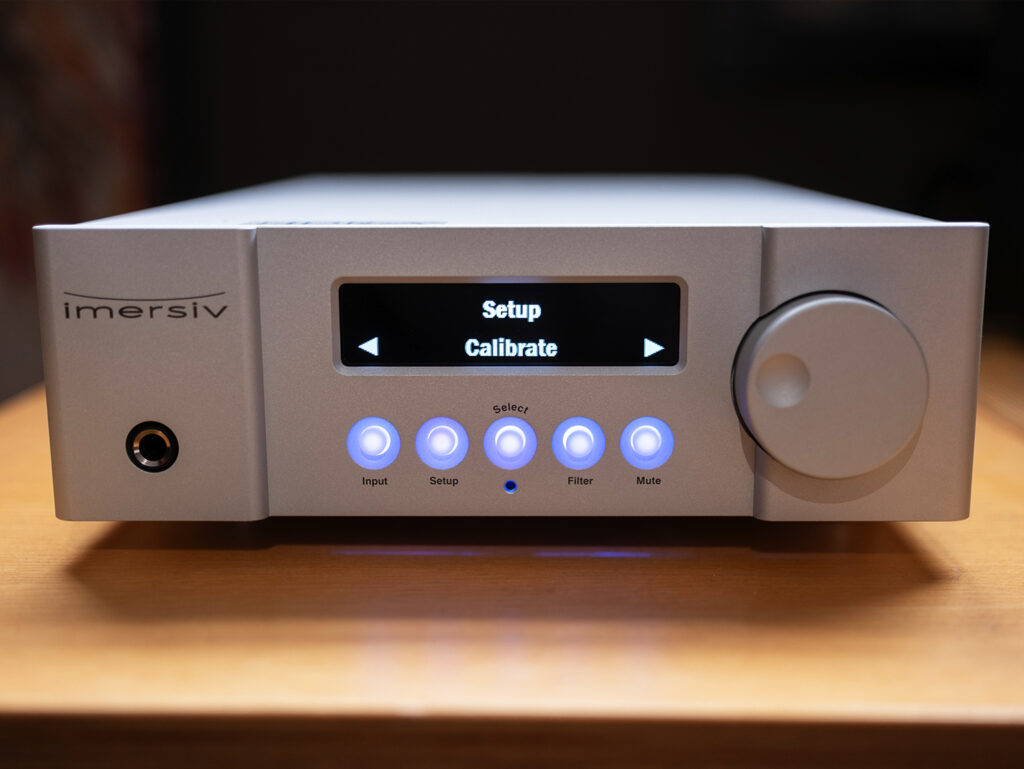
I reviewed the Imersiv D-1 DAC back in March and bought the review unit.
The D-1 has been in near constant use ever since, married to a number of review systems and I thought a followup was in order for no reason other than to cement the things I said about it in that review.
Here’s my conclusion:
If I wore a hat, I’d tip it to John La Grou and the team at Imersiv for making one of the most exciting and musically engaging DACs I’ve had the great pleasure of living with. Every time I sat to listen over the course of two months the D-1 DAC’s level of sheer magic was addicting for its ability to reproduce music with a level of clarity and transparency I’ve not heard done better with the vibrant beating heart of the musical matter on full display. Bravo!
If you’re looking for a DAC anywhere near its price, you owe it to your music to give the Imersiv D-1 a good long listen.
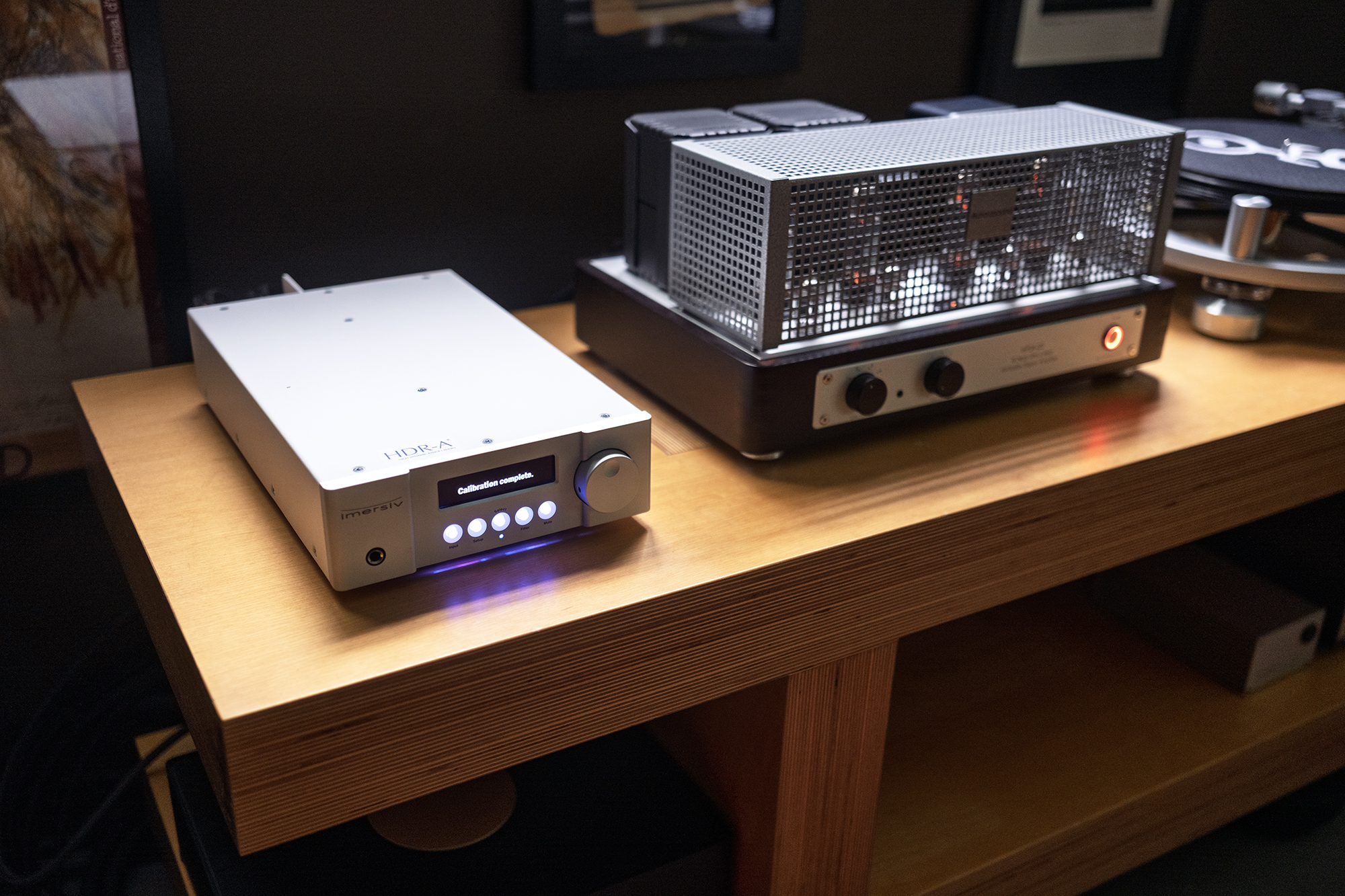
There are about 3400 more words in that review detailing not only what I heard but a bit about the technology behind the D-1’s technology that I’ll let the company explain again here:
From Imersiv:
Perfecting HDR-A took over 10 years of continuous research and development…
Multi-path HDR-A offers two major advantages over traditional single-path methods. First, it significantly reduces noise and distortion (THD+N). The imersiv D-1 achieves a remarkable 40 nanovolts of broadband noise, which is around 40 dB lower — 100 times quieter — than today’s best DAC designs. In fact, the D-1’s self-noise is 25dB below the measurement capability of today’s leading test equipment, such as the APx555B (see FAQ).
The second advantage is untethered headroom. HDR-A technology allows us to boost high-path headroom to any level without affecting our quiescent self-noise. The D-1 provides +22dBu (10 volts) of ISO-free* headroom while maintaining its profoundly low 40nV self-noise floor. This results in a true broadband, unweighted linearity and dynamic range of 28 bits or 168dB. (*inter-sample overs or inter-sample peaks)
Big claims that had some calling foul but as regular readers know, I’m more of a listen then decide kinda guy. The funny thing about the guys who go about things the other way ‘round—decide then listen—necessarily brings bias to the experience or so it seems to me. If you visit sites and forums devoted to an “objective” or a “science-based” approach to determining the value of hifi gear, you’ll see that these guys can have a hard time being proven wrong or accepting the fact that listening to music involves emotions. After all, basing one’s approach to hifi on being right is the perfect breeding ground for obstinance.
When it comes to hifi, being right is overrated.
But I do get the desire to understand and question extraordinary claims and you can view some of Imersiv’s language about the D-1 DAC’s performance as such. Extraordinary. In these cases a call for a more objective approach is understandable and even welcome as some people believe that listening to music is not sufficient proof when it comes to deciding what gear we choose to listen to music through. Clearly I’m not part of this group. Anyhoo…
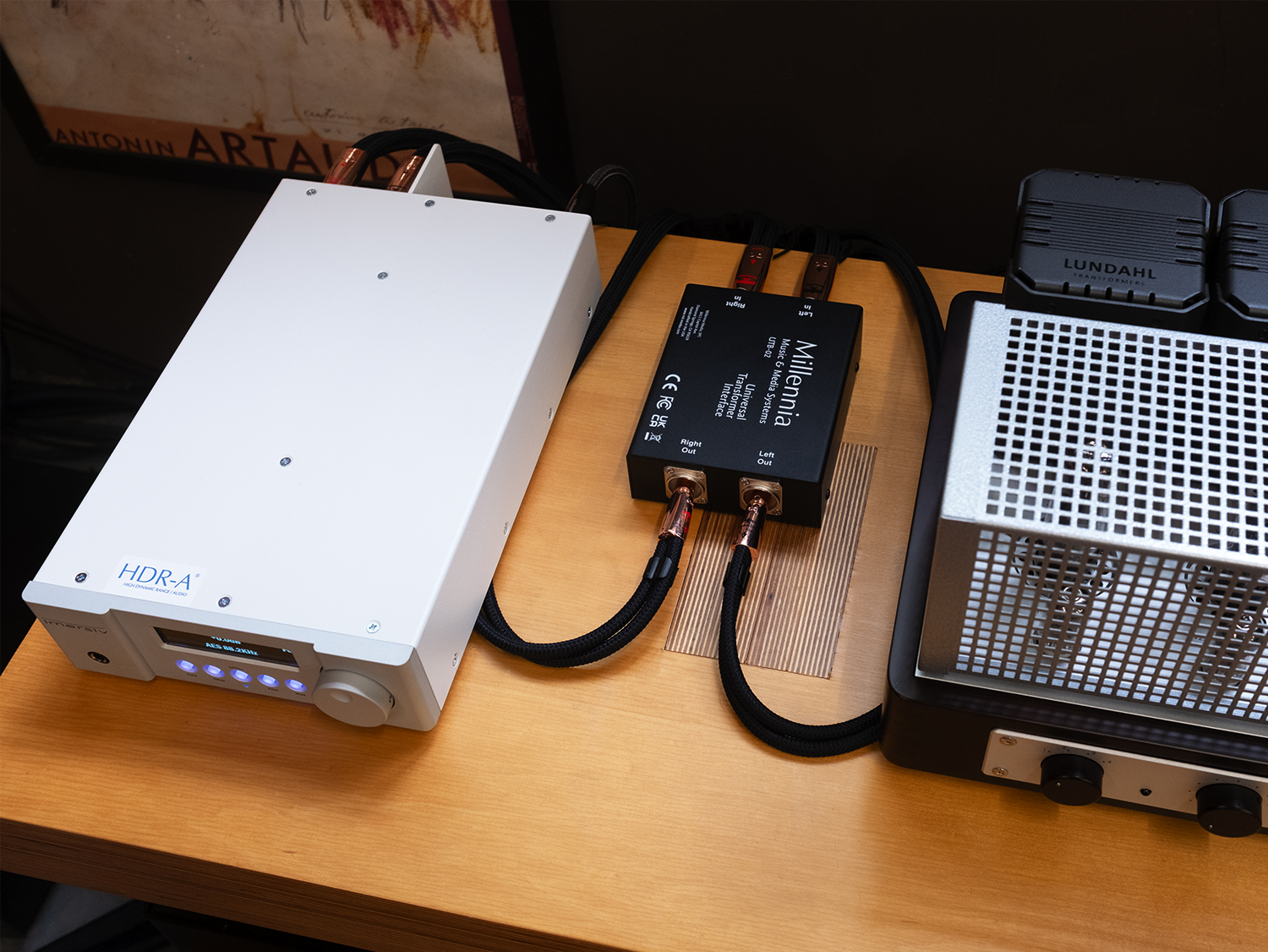
What I can tell you after having spent more than 8 months living with and listening through the Imersiv D-1 DAC is it remains the most transparent and engaging DAC I’ve had the pleasure to spend time with. My experience here, reviewing DACs, is fairly deep and reaches back some 15 years, with about 7 of them devoted to reviewing nothing but digital gear. DACs and such.
But a DAC does not a system make and I’ve come to realize that system building is the most important aspect of getting the results we want from a hifi, which should be obvious but can get lost when reading component and speaker reviews. This is one reason I’ve started sharing Recommended Systems to emphasize the importance of The System over each individual piece.
Loudspeakers, due to their very nature and the way they interact with the room they’re in, are flavor makers which is why I stress the importance of listening to your loudspeaker choices before committing to a purchase, ideally in your home. This is also why I recommend spending the largest portion of overall system budget here. As we move through the hifi chain, amplification and how it interacts with your speaker of choice also adds its own flavor becoming another important and unavoidable ingredient in overall system sound/performance. Once this foundation is built to your liking, sources come next followed by cables, racks, and accessories. You can stick room treatment and/or EQ anywhere you want into this equation. When it comes to my digital source(s) and system building, I want as clean, clear, and harmonically right a picture as I can get—without any extra flavor.
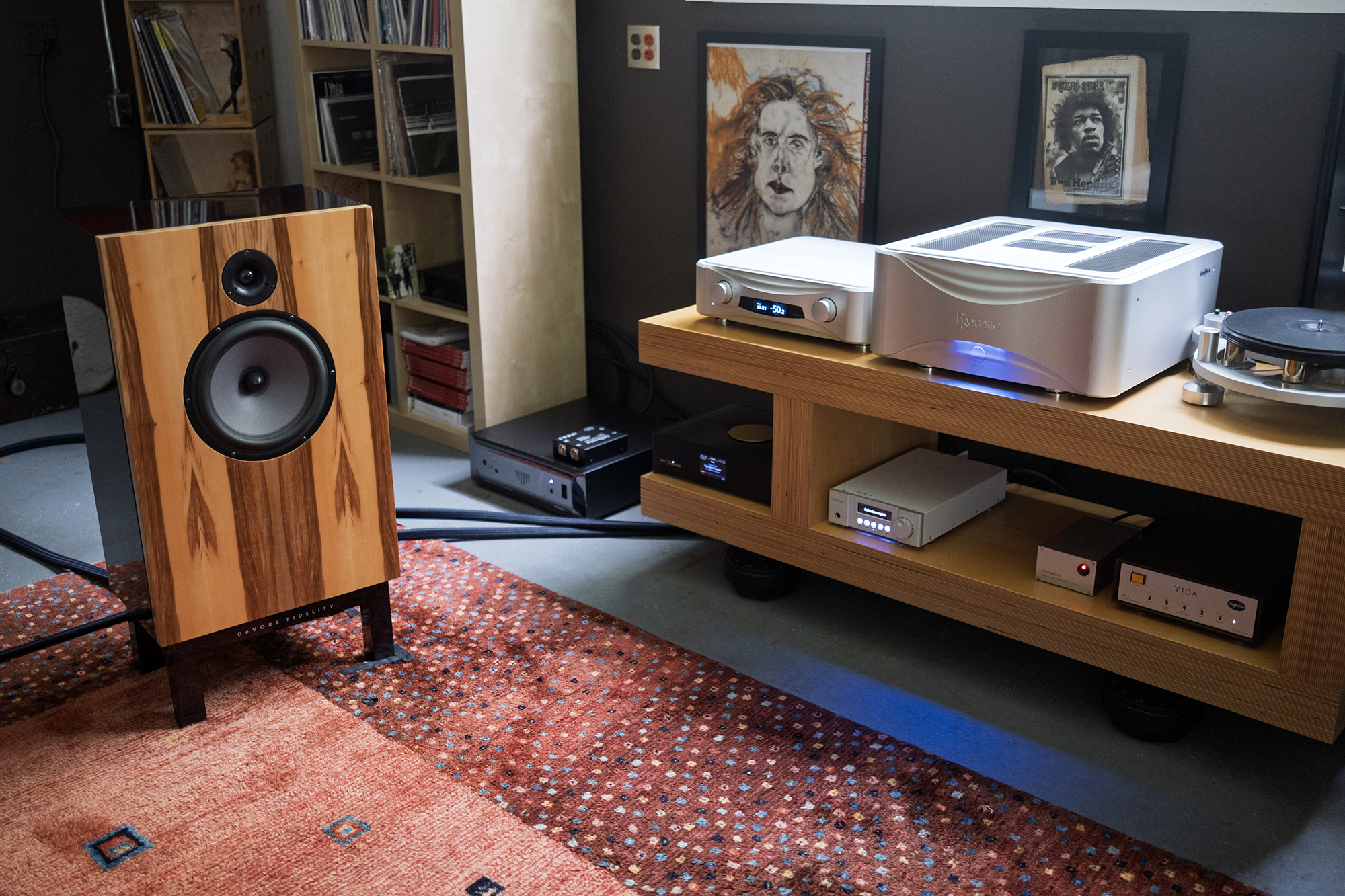
Which gets me back to the D-1 DAC. With this system-building approach in mind— speakers first, amplification next, and as clean, clear, and harmonically right a digital source as possible—I can comfortably recommend the Imersiv D-1 DAC for anyone shopping in this price neighborhood. The D-1 DAC’s unique Calibration feature, which we’ll talk more about shortly, essentially ensures the best performance with the connected amplification.
I pair the D-1 with the Grimm MU1 (review), which I also own, because it represents the best solution for a one-box Roon server and Roon Endpoint I’ve come across while passing music through without adding any sound of its own. For shoppers looking for just a network transport, I own, use, and recommend the HoloAudio Red (review). Of course the rest of system has to be up to the task of passing the D-1 DAC’s output through without significant degradation, otherwise its performance will get lost in the sauce.

I know what some of you are thinking—but what about those extraordinary Imersiv D-1 DAC claims? Since my review there have been any number of others which you can find the way you find most things these days but I want to highlight one review I find the most compelling when it comes to testing, and I mean that literally, the D-1 DAC and those performance claims while it also incorporates listening notes. The best of both worlds.
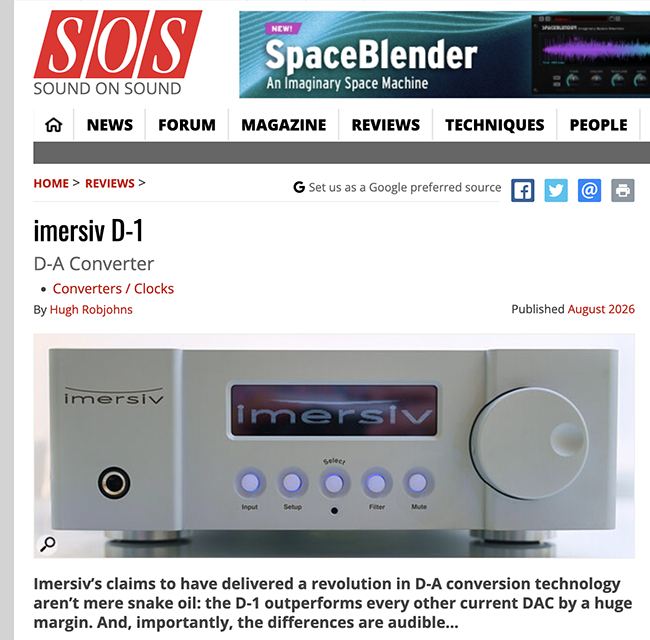
And that review can be found on the Sound On Sound (SOS) website, …”the world’s premier audio recording technology magazine, website and YouTube channel.” according to their About page.
Here’s a bit more:
Sound On Sound is known for its thorough and unbiased reviews of music technology products, such as audio interfaces, microphones, monitors and music software. It also features articles on recording techniques, music production and sound engineering, as well as insightful interviews with musicians, producers, and mix engineers.
A ‘Pro Audio’ place if you will. Back in August, SOS Technical Editor (since 1997) Hugh Robjohns put the D-1 DAC through its paces, both on and off the test bench.
Here’s one quote from that review on the D-1 DAC’s measured performance:
My standard AES17 dynamic range test returned a value of 140.8dB A‑weighted, which is by far and away the best figure I’ve ever seen. The signal‑to‑noise ratio measured ‑138dB (relative to 0dBFS). But, again, these figures are really reporting my Audio Precision test set’s performance, rather than that of the converter, which outperforms my measurement capabilities!
And some listening notes:
When listening to good recordings made with simple stereo mic arrays, the room acoustics demonstrate significantly more realistic depth and width, too: each instrument occupies a far more clearly defined position within that space. I also heard so many tiny details on some of my own recordings that previously I hadn’t even realised existed. It’s a cliché, I know, but it really was like someone had cleaned the audio window and I was making out some fine details for the first time!
Moving the unit back into the studio (and recalibrating it), I could now hear that same vivid realism and precision. It transpired that the lack of noticeably reduced noise floor had been because the D‑1 was routed through the Crookwood mastering console’s monitoring path — and the console entirely defined the system’s noise floor!
Interesting, no? I’ll extrapolate on that last point to point out that the performance of your source gear is dependent on the rest of the system which is why I always list the complete system context in every review.
Robjohns also gets into real detail explaining the unique technology used in the D-1 DAC as well as providing a nice description of the reasons for the D-1’s Calibration feature:
During a calibration cycle, which lasts up to 30 seconds, the D‑1 emits various digitally generated ‘pilot tones’ through both internal paths, measuring the voltage offset between them. Based on the measured error, the DSP adjusts the crossfade algorithm to reduce the error, and repeats the process to make ever finer path‑matching adjustments. The process completes when the error is below 0.005dB: the display then returns ‘Successful’ or ‘Failed’ messages. In the latter case, it will revert to the last successful DSP values. Obviously, if the D‑1’s outputs are connected to a different destination or via different cables, the calibration process should be repeated.
A note for the cables don’t matter crowd–they do.
Robjohns concludes:
The imersiv D‑1 is genuinely in a class of its own: there is absolutely nothing on the market at the time of writing that comes anywhere close to matching its dynamic range and low‑distortion capability.
I recommend reading the entire review as it is a very thorough and highly enjoyable read.
SOS: imersiv D-1 D-A Converter By Hugh Robjohns
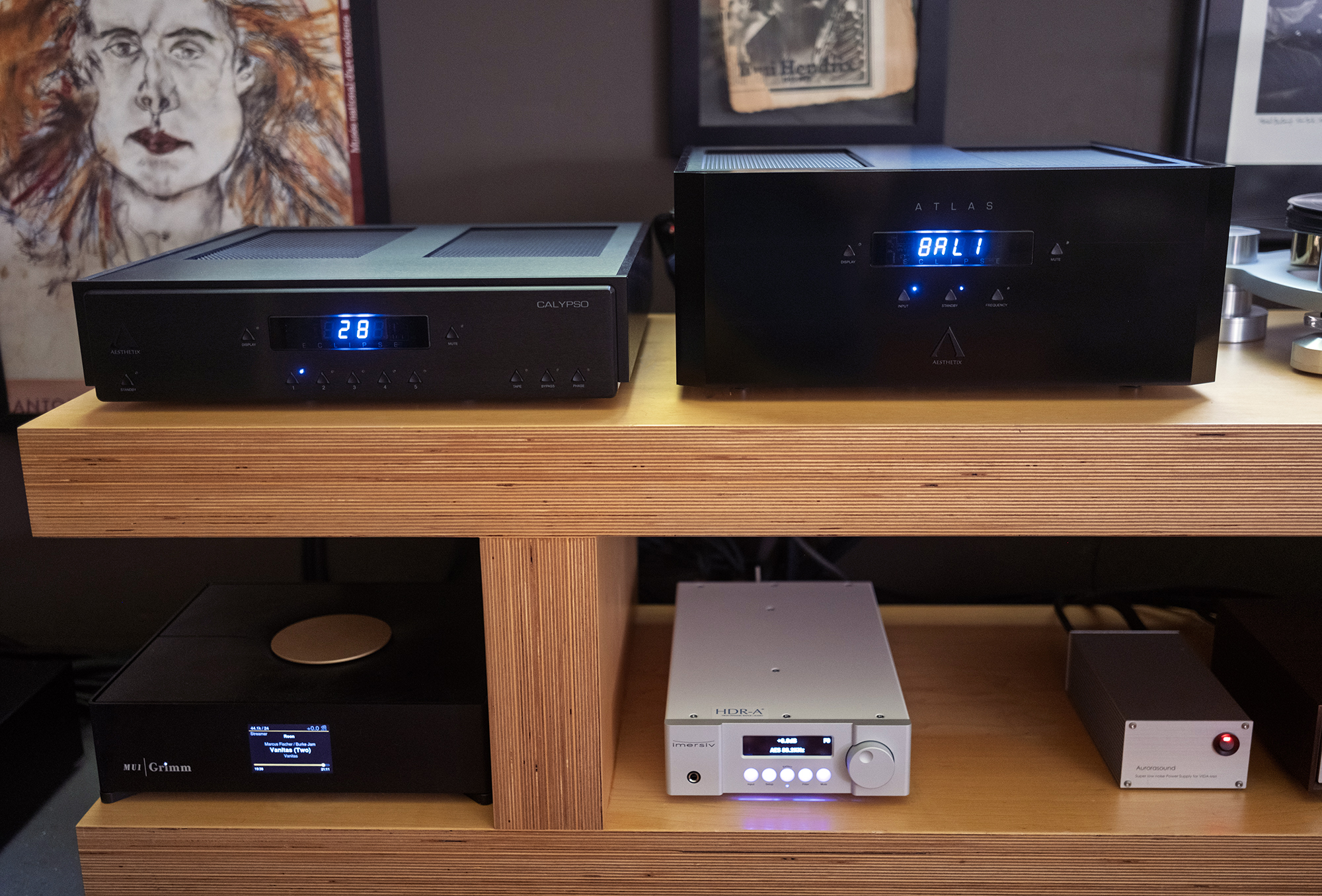
In closing, it seems to me that when building a hifi system the most important first step is finding the speaker you love listening through and looking at! and here your experience matters most. Amplification follows and I believe the best way to find the right partner for your speakers is to hear them together. For a digital source I feel very comfortable recommending the Imersiv D-1 DAC as one piece of the system-building puzzle that can fit into any system due to its exceptional performance that more than lives up to the hype.